Does time on Romania's digital nomad visa count towards permanent residency?
Does Romanian digital nomad visa time count towards the five years for long-term residence? What the immigration ordinance actually says.
Romania offers one of the best value propositions in the EU for remote workers: genuinely low living costs, surprisingly fast internet (consistently ranking among Europe's top for broadband speeds), and a growing tech-savvy culture. Bucharest and Cluj-Napoca have vibrant startup ecosystems, while Transylvania's smaller cities offer an enviable quality of life for those who prefer a quieter base.
EU/EEA citizens can live and work freely. Non-EU remote workers can apply for Romania's Digital Nomad Visa, introduced in 2023, which requires proof of remote income of at least three times the Romanian average gross salary (roughly €5,400–5,600/month on 2026 wage data). The visa is valid for up to one year. Romania's standard income tax is a flat 10%, one of the lowest in the EU, plus social contributions of 25% (pension) and 10% (health insurance) which apply once you become tax resident. The micro-enterprise regime (1%–3% revenue tax) has historically been popular with freelancers setting up a local company, though the rules tighten periodically.
The cost of living in Bucharest is remarkably low for an EU capital, and even lower in secondary cities. Coworking options are expanding, English is widely spoken among younger Romanians, and the food scene – especially in Cluj and Bucharest – punches well above its weight. Romania is not yet in the Schengen area (though air and sea Schengen entry took effect in 2024), so land border checks still apply. Infrastructure outside major cities can be uneven, and driving conditions in rural areas require some fortitude.
Here you will find information, resources, services, articles, videos, and job opportunities for building your remote work career in Romania.

Does Romanian digital nomad visa time count towards the five years for long-term residence? What the immigration ordinance actually says.

Bulgaria and Romania both advertise a 10% flat tax - but the visa bar, social security, and the catch that decides your tax bill are worlds apart. An honest 2026 comparison.
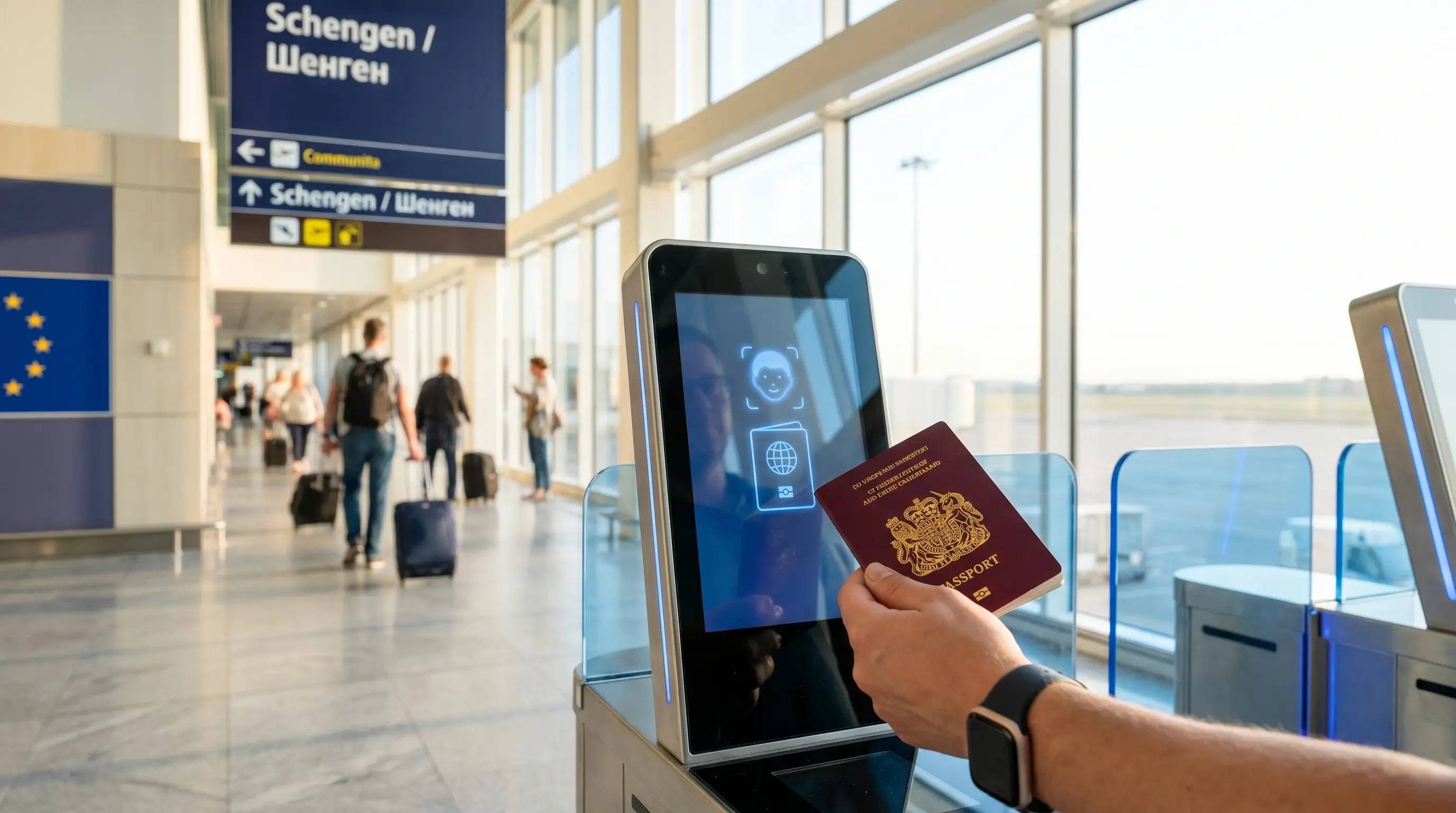
Bulgaria and Romania joined the Schengen Area in full on 1 January 2025. Days spent in either country now count against the 90/180 rule. Older guides and AI overviews still suggest a Sofia weekend resets the clock. They are wrong, and the wrongness has teeth at the border.
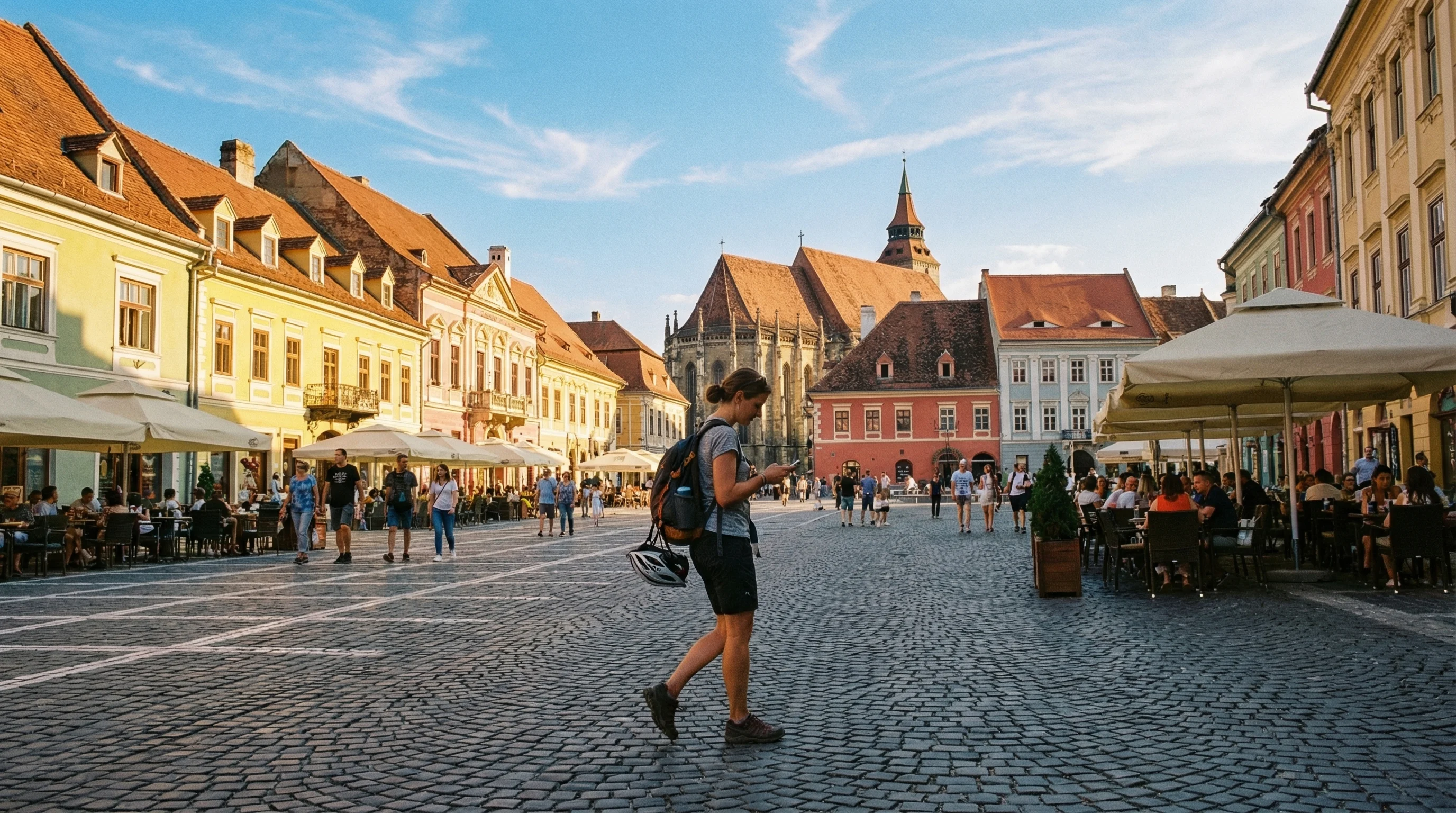
Romania's digital nomad visa: 12 months residency, Schengen access, Europe's fastest broadband, and low living costs. Full 2026 application guide.
Connected is our members' job club. The board monitors our tracked employers' careers pages and ATS feeds, rebuilding every weekday with the latest vacancies open to people living in Europe – and we add roles that have caught our eye on top of that. €15 a month.
See what's in ConnectedBelow is a free feed from our friends at EU Remote Jobs, showing companies currently hiring remotely in Romania.