Working at Alan: fully remote in Belgium, office-anchored in France
Alan advertises 45 fully remote roles across France, Belgium and Spain. Sales is remote in Belgium and office-based in France – and language is the real gate.
France offers remote workers something that's hard to replicate elsewhere: world-class infrastructure, superb healthcare, and an extraordinary quality of life – from Alpine villages to Mediterranean coast to the cultural depth of Paris. The country's high-speed rail network means you can base yourself in a mid-size city like Lyon, Toulouse, or Bordeaux and still reach major hubs easily. Internet speeds are excellent, with fibre widely available even in smaller towns thanks to a national rollout programme.
France does not have a specific digital nomad visa. Non-EU workers typically need a Passeport Talent (multi-year visa for skilled workers, entrepreneurs, or freelancers) or a long-stay visa with work authorisation. The bureaucratic process can be demanding – expect paperwork in French and multiple prefecture visits. EU/EEA citizens can live and work freely but must register with the tax authorities and social security system once they become resident.
French tax rates are among the highest in Europe, with a progressive scale up to 45% plus social contributions (cotisations sociales) that can add 20–45% on top for the self-employed. That said, you get a lot for your contributions: healthcare, family benefits, and pension rights are all strong. The micro-entrepreneur regime offers a simplified flat-rate option for freelancers earning under certain thresholds, which many remote workers find manageable. Budget carefully, and don't underestimate the social charges.
Here you will find information, resources, services, articles, videos, and job opportunities for building your remote work career in France.
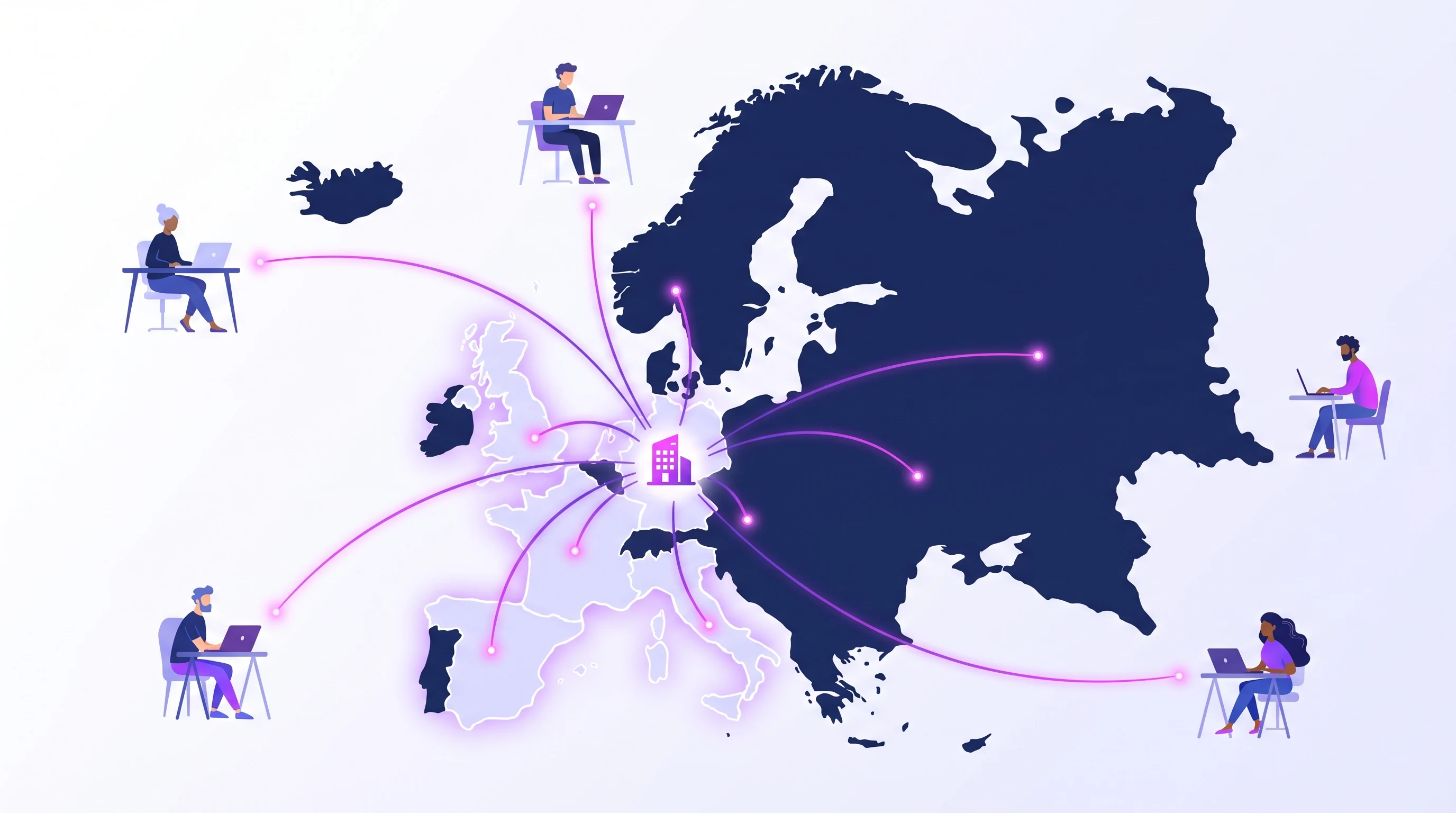
Alan advertises 45 fully remote roles across France, Belgium and Spain. Sales is remote in Belgium and office-based in France – and language is the real gate.
Pennylane shows around 100 remote roles across France and Germany. Strip out the duplication and it is closer to a dozen distinct openings. Here is what the board hides.
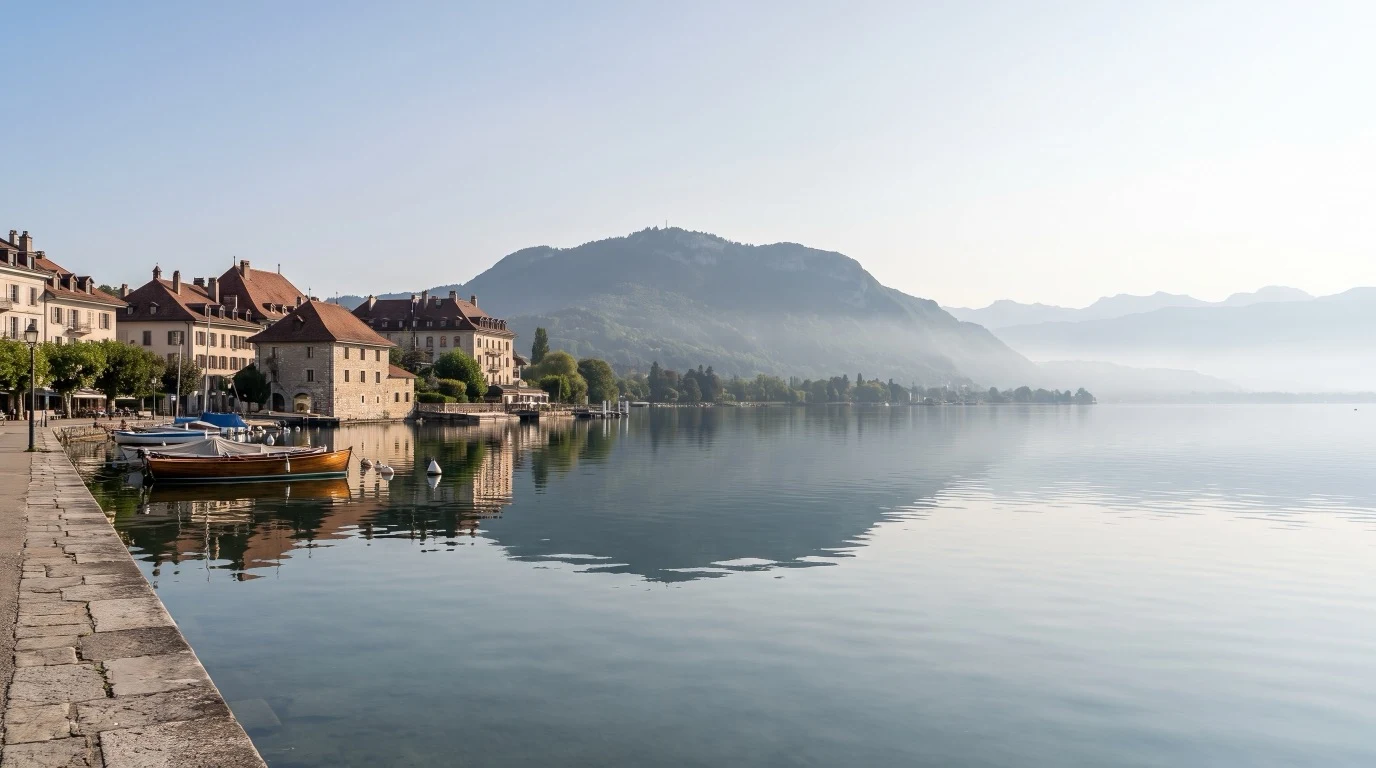
The additional agreement to the Swiss-France double-taxation treaty entered into force on 24 July 2025, and its provisions apply from 1 January 2026. Cross-border workers can now telework from France up to 40% of the year – but exceed the threshold and every teleworking day flips to French tax. Swiss employers face new reporting obligations. This is the honest walkthrough.
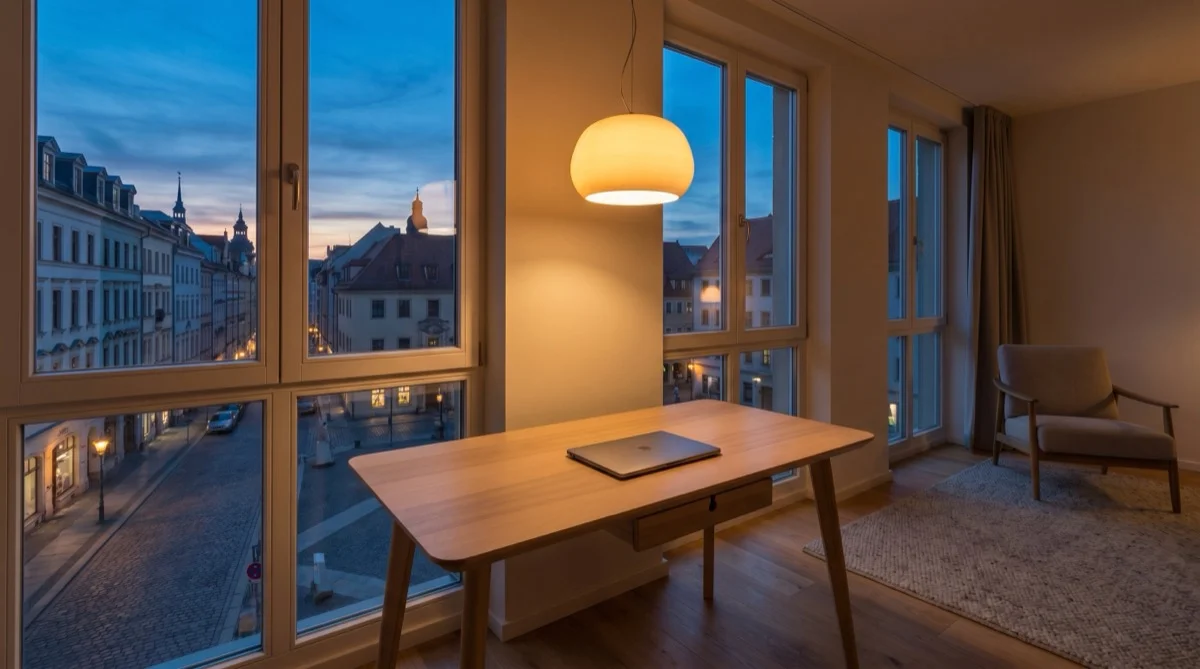
The map of European right-to-disconnect law has hardened around national statutes in Spain, France, Italy, Belgium, Portugal, Luxembourg, Greece, Slovakia and Ireland - while the EU directive everyone keeps expecting still does not exist.

The EU AI Act, Italy's first comprehensive national AI law, France's evolving framework, and the GDPR trap that catches the unwary. A practical guide for European freelancers on what to actually do about AI in 2026, and what to stop doing.
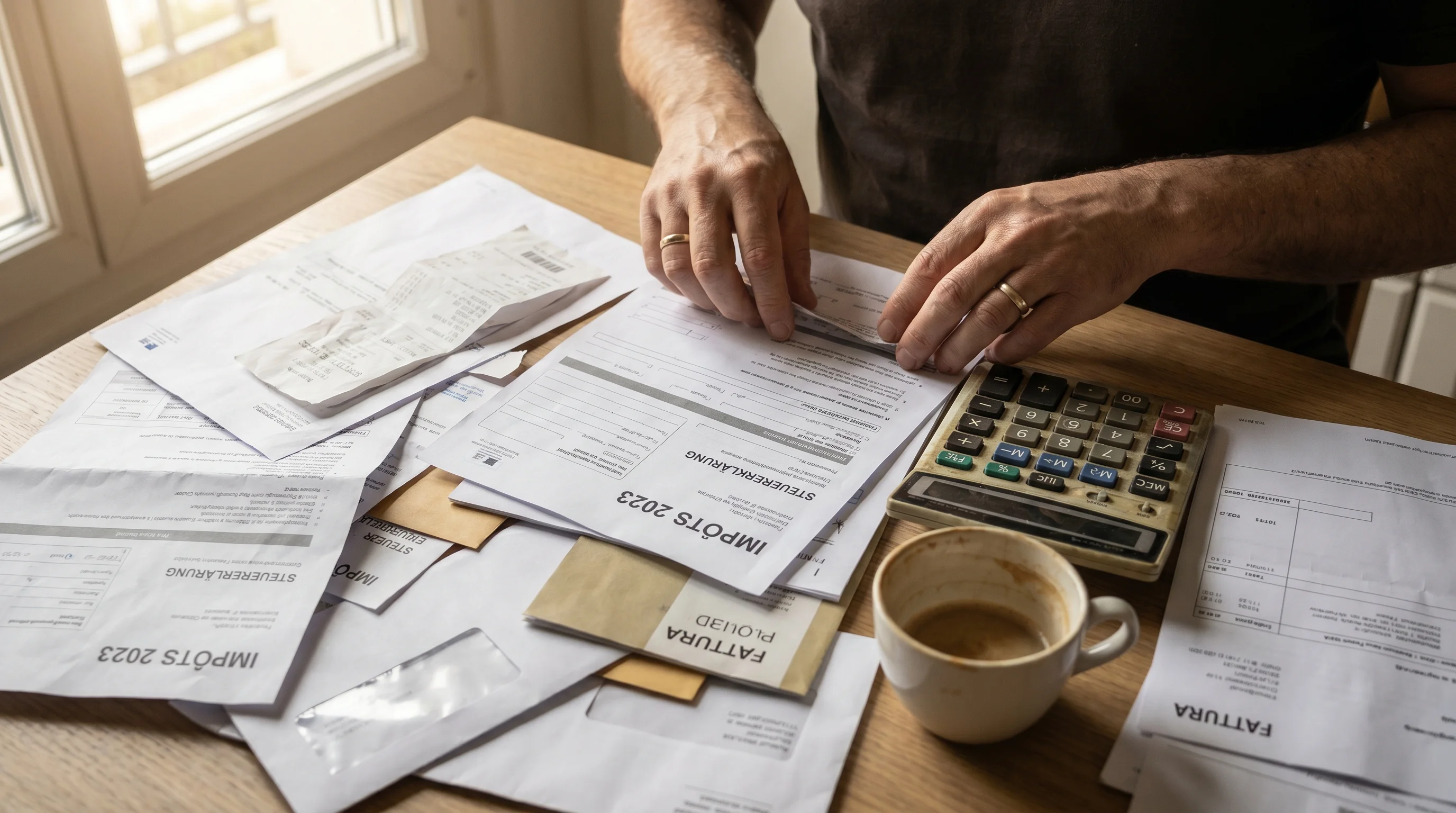
France, Portugal, Spain, Italy, and the Netherlands – the five European countries where remote workers most often get their tax situation wrong, and how to avoid the same mistakes.
Connected is our members' job club. The board monitors our tracked employers' careers pages and ATS feeds, rebuilding every weekday with the latest vacancies open to people living in Europe – and we add roles that have caught our eye on top of that. €15 a month.
See what's in ConnectedBelow is a free feed from our friends at EU Remote Jobs, showing companies currently hiring remotely in France.