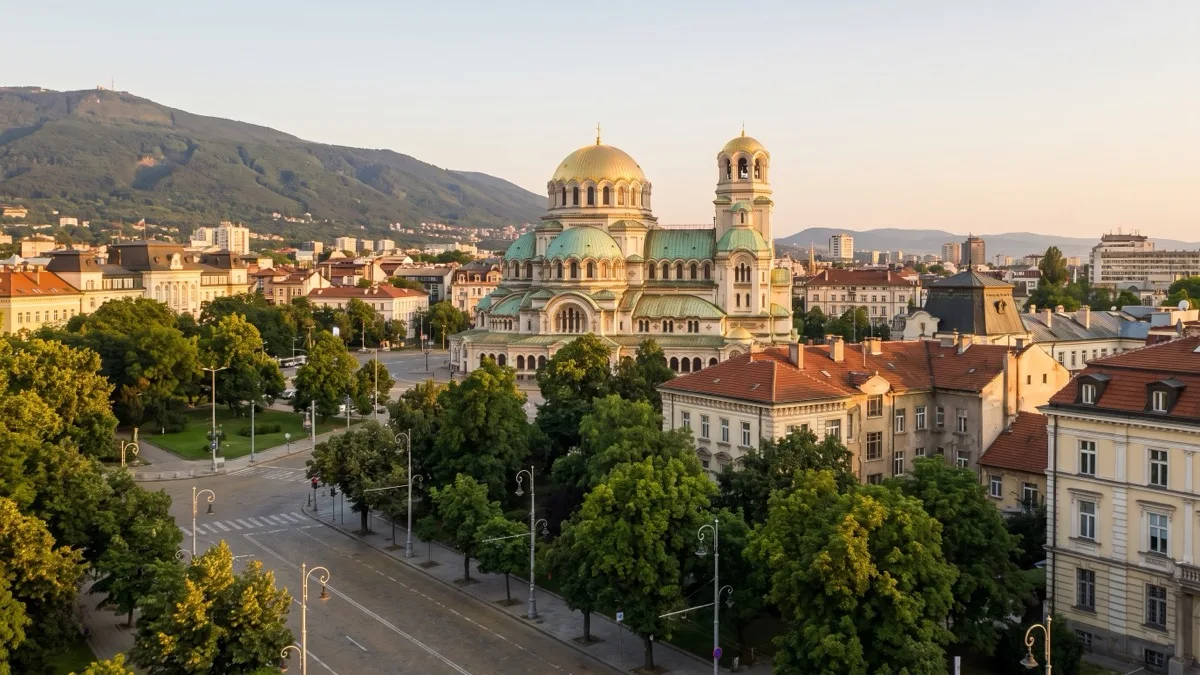
Bulgaria is the EU's most affordable country, and for remote workers willing to look beyond the more fashionable destinations, it offers a genuinely low-cost base with decent infrastructure and an increasingly international feel – particularly in Sofia. The flat 10% income tax rate is the joint-lowest in the EU, and the country has been quietly building its tech credentials with a growing IT sector centred around the capital.
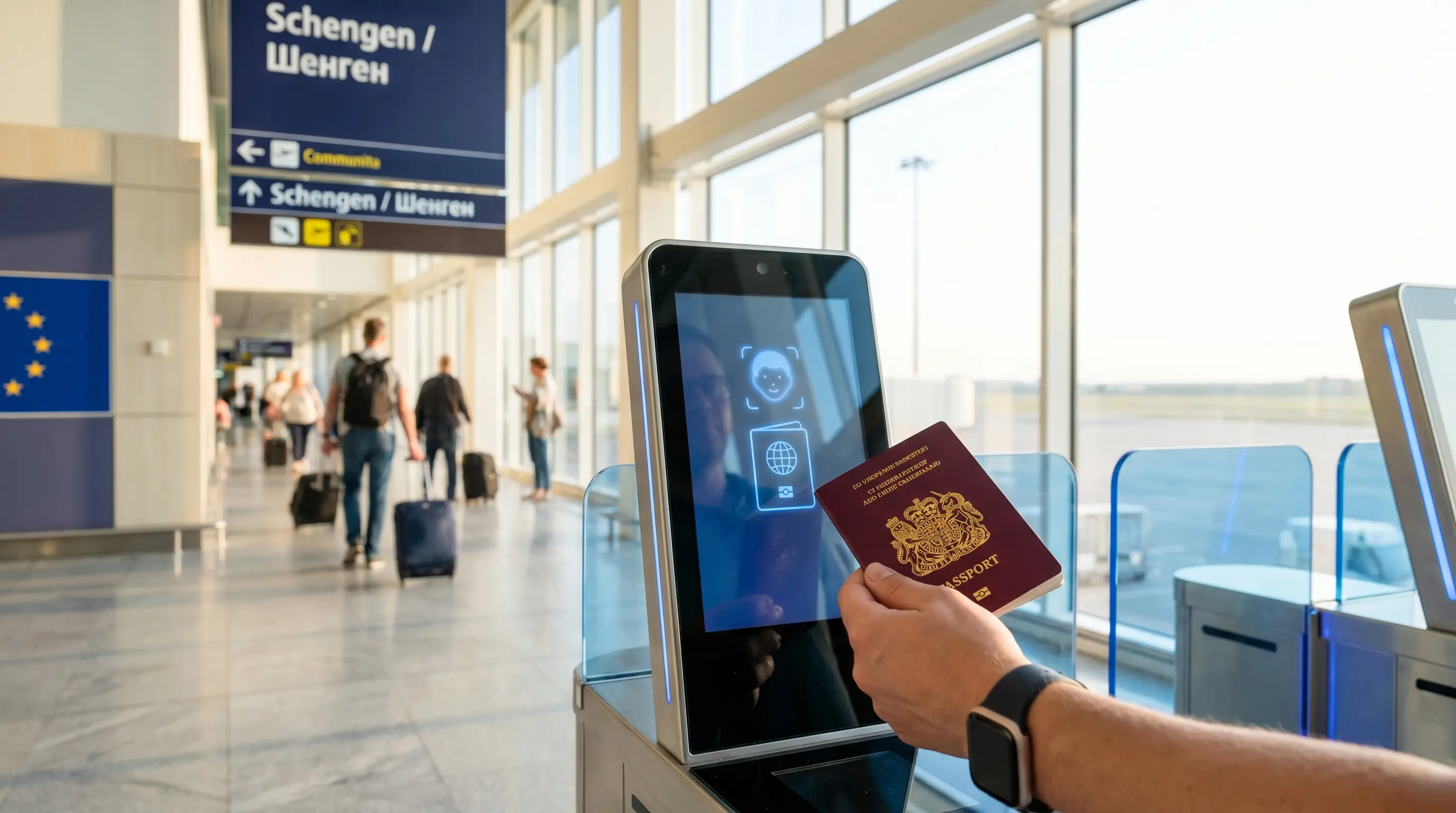
EU/EEA citizens can live and work freely. Non-EU remote workers gained a proper option in December 2025, when Bulgaria launched its Digital Nomad Visa, timed alongside Schengen accession and the country's preparation for euro adoption. The visa requires proof of remote income of around €31,000 per year (set at 50× the monthly minimum wage, currently the lowest income floor of any EU DNV), plus valid health insurance. It is issued as a 1-year renewable visa, and holders must apply for a residence permit within 14 days of arrival. For those who establish tax residency (183 days or centre of vital interests), Bulgaria's flat 10% personal income tax is preserved, plus social security contributions of around 12.9% for the employee share on employment income. Freelancers and self-employed individuals face a combined social contribution burden but at modest rates relative to Western Europe.
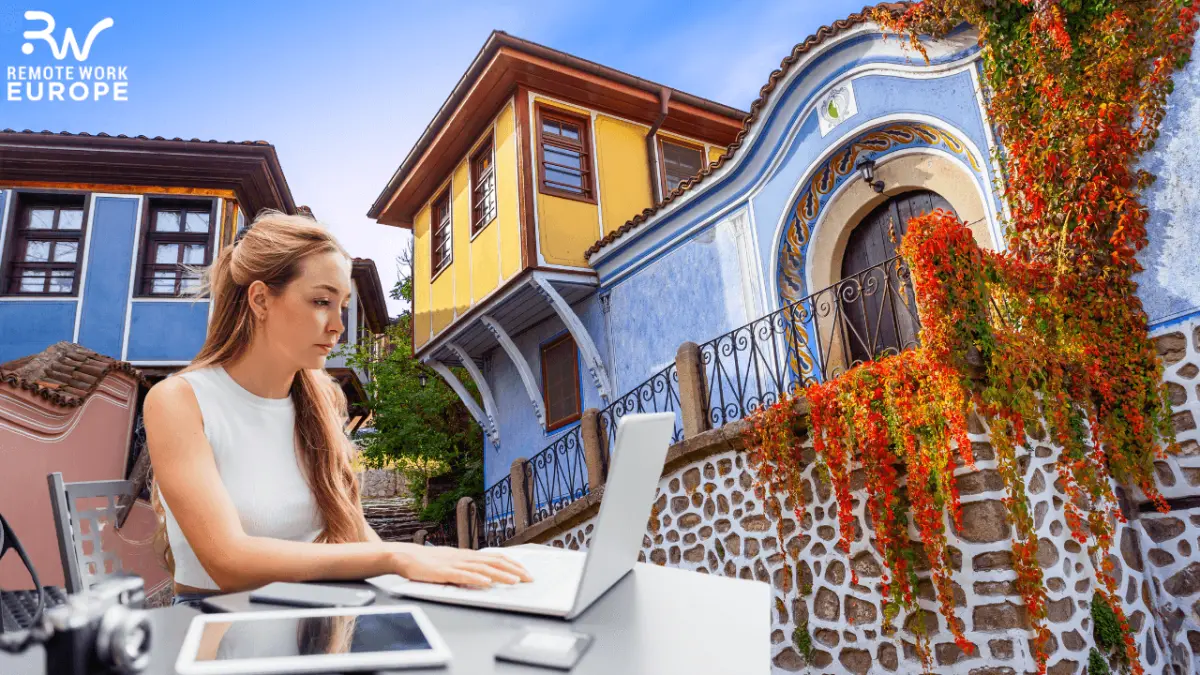
Sofia has a solid range of coworking spaces, fast fibre internet, and a cost of living that makes most of Europe look expensive. Plovdiv and the Black Sea coast attract a smaller but growing remote worker community. Outside Sofia, English proficiency drops off, and public services can be bureaucratic. Bulgaria's recent Schengen accession and progress toward euro adoption are reducing the practical friction for residents and visitors; the new Digital Nomad Visa was timed to land alongside these wider changes. Winters in Sofia are cold, but ski resorts are close; summers are hot, and the Black Sea coast makes a pleasant escape.
Key Facts
- Visa Options
- EU free movement; Digital Nomad Visa (non-EU, ~€31,000/year min income, 1-year renewable, launched Dec 2025); Long-term residence permit; EU Blue Card
- Tax Highlights
- Flat 10% income tax; social contributions ~12.9% employee / ~18.9% employer; no wealth tax; 183 days is one trigger for tax residency; other factors also apply
- Cost of Living
- Sofia €700–€1,100/month; Plovdiv and other cities €550–€900/month
- Timezone
- EET (UTC+2) / EEST (UTC+3) in summer
- Nomad-Friendly
- Moderate-to-high in Sofia – affordable coworking, growing expat scene, fast internet; limited infrastructure elsewhere