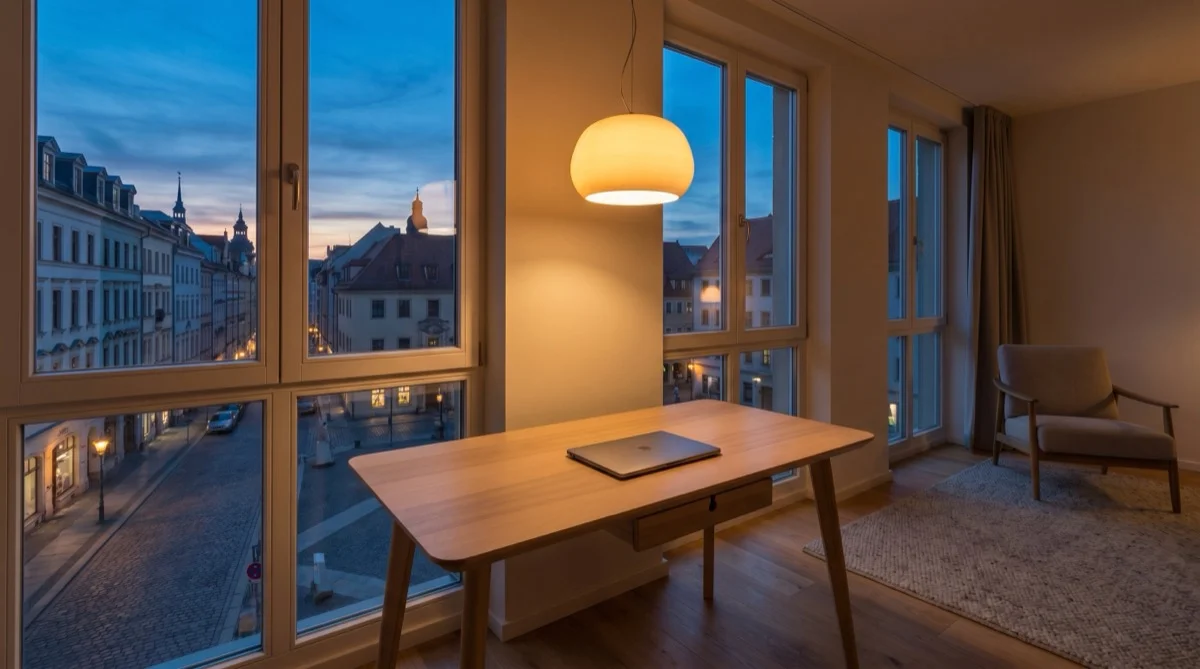
Italy combines an unmatched cultural heritage, exceptional food, and a lower cost of living than many Western European neighbours — especially in the south. Cities like Milan and Rome have established coworking scenes and strong tech communities, while places like Bari, Catania, and Cagliari are emerging as affordable alternatives with improving digital infrastructure. For remote workers who value lifestyle and culture alongside their work, Italy is hard to beat.
Italy introduced a Digital Nomad Visa in April 2024, aimed at non-EU remote workers employed by or contracting with companies outside Italy. The visa requires a minimum annual income of approximately €28,000 and proof of health insurance. Italy also offers a flat-tax regime for new residents (the "Impatriate Regime" and the "Lump-Sum Tax" for foreign income) — though these incentives have been tightened in recent years, so check current eligibility carefully. EU/EEA citizens can relocate freely but need to register at their local comune within 90 days.
Italian bureaucracy is notoriously layered, and processes vary significantly between regions and even individual municipal offices. Patience is essential. Internet connectivity has improved dramatically with the national fibre rollout, but rural and southern areas can still have patchy coverage — check before you commit to a lease. On the upside, the cost of a high quality of life here remains genuinely accessible, and the growing number of "south-working" initiatives and coworking spaces signals that Italy is increasingly serious about attracting remote talent.
Key Facts
- Visa Options
- Digital Nomad Visa (1 yr, renewable); Elective Residence Visa (passive income); Self-Employment Visa; EU/EEA freedom of movement
- Tax Highlights
- Resident tax 23–43% progressive (IRPEF) plus regional/municipal surcharges; Flat-Tax regime for new residents (€100,000/yr lump sum on foreign income); Regime Forfettario for freelancers earning under €85,000 (5% for first 5 yrs, then 15%); 183-day rule is one of several tax residency tests
- Cost of Living
- €1,500–€2,500/month in Milan/Rome; €900–€1,400 in southern cities and smaller towns; coworking from €100–€250/month
- Timezone
- CET (UTC+1), CEST (UTC+2) in summer
- Nomad-Friendly
- Growing — new DN visa is a positive signal, attractive flat-tax options for freelancers, improving infrastructure, but bureaucracy and regional inconsistency remain challenges