Working at Databricks: 170 European roles, six of them remote
Databricks had 170 open European roles and six mentioned remote. We counted every live vacancy to show where they hire in Europe and which roles go remote.
Germany is Europe's largest economy and a powerhouse for tech, engineering, and professional services – which means the remote job market here is substantial. Berlin remains the hub for startups and international companies with English-speaking teams, but cities like Munich, Hamburg, Leipzig, and Cologne all have strong coworking cultures and good infrastructure. Internet speeds are reliable in urban areas, though Germany's fibre rollout has lagged behind some European neighbours, and rural connectivity can still disappoint.
Germany does not offer a specific digital nomad visa. Non-EU remote workers typically need a freelance visa (Freiberufler) or a residence permit tied to employment or self-employment, processed through the local Ausländerbehörde (immigration office). The requirements vary by city and your professional profile – creative, technical, and consulting professions tend to have smoother approvals. EU/EEA citizens can live and work freely but must register their address (Anmeldung) promptly and may become tax-resident – 183 days is one common trigger, though Germany also considers factors like your habitual residence or centre of vital interests.
German tax rates are among the higher in Europe – income tax runs up to 45% plus a 5.5% solidarity surcharge on higher earnings, and mandatory social insurance contributions add significantly. However, freelancers (Freiberufler) in recognised professions avoid trade tax and can deduct business expenses generously. The system is thorough and well-run once you're inside it, and the social safety net (health insurance, unemployment, pension) is comprehensive. Expect everything to be very well documented – and very much in German.
Here you will find information, resources, services, articles, videos, and job opportunities for building your remote work career in Germany.
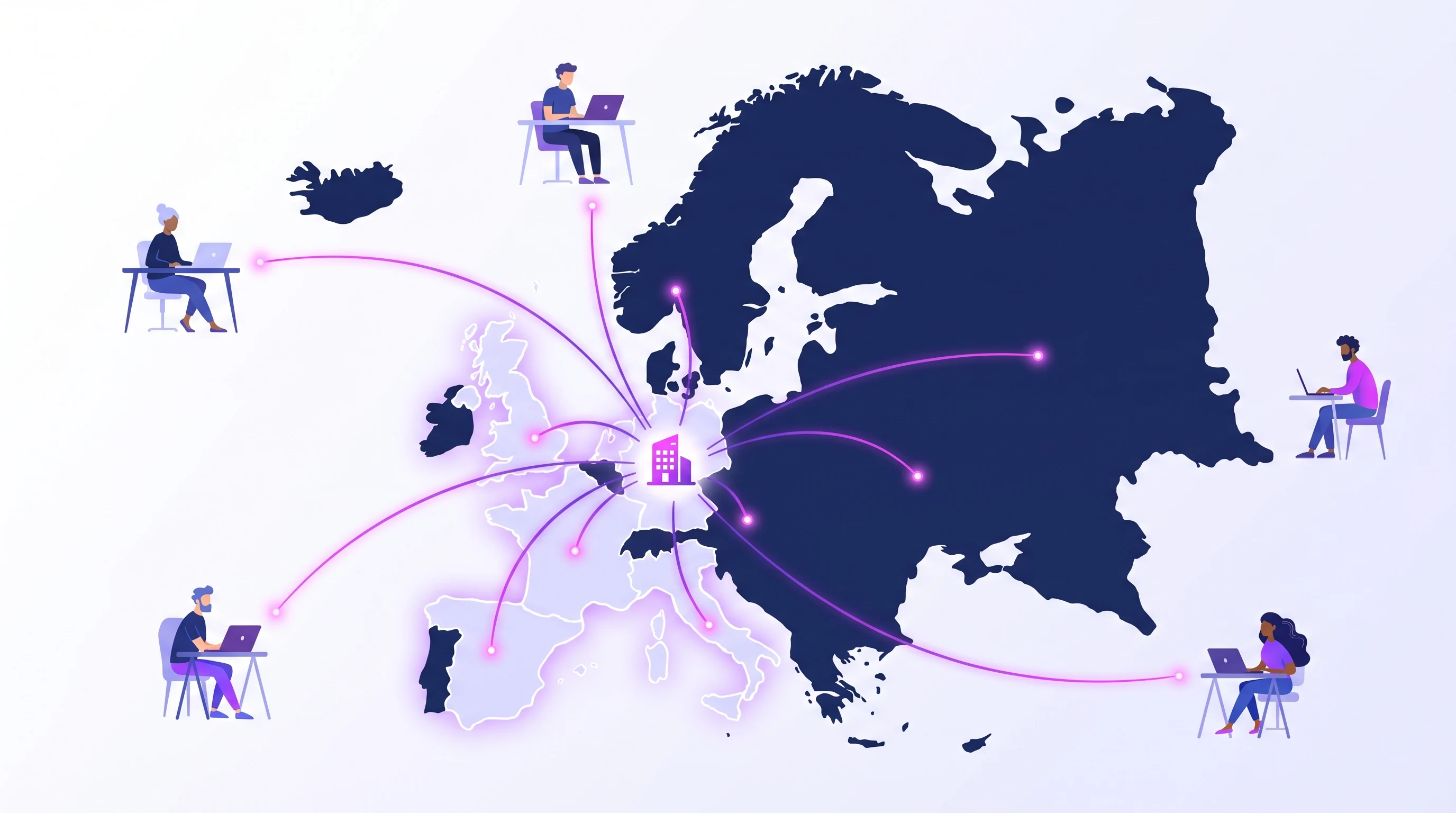
Databricks had 170 open European roles and six mentioned remote. We counted every live vacancy to show where they hire in Europe and which roles go remote.
Pennylane shows around 100 remote roles across France and Germany. Strip out the duplication and it is closer to a dozen distinct openings. Here is what the board hides.
Veeam has offices in 30+ countries and half its board is hybrid – yet it advertises 73 fully remote roles. The catch is that its own location tags are unreliable.
NICE publishes its hybrid policy plainly – two office days, three remote. But five of its sixteen European remote adverts contain that policy anyway.

Freedom of movement doesn't mean zero admin. EU citizens working remotely in Germany still need to register, sort tax and health insurance, and understand whether they're employed or self-employed. Here's the full checklist.

UK citizens can still apply for Germany's freelance visa from inside the country – a rare privilege post-Brexit. Here's the full process, documents, costs, and pension requirements for 2026.
Connected is our members' job club. The board monitors our tracked employers' careers pages and ATS feeds, rebuilding every weekday with the latest vacancies open to people living in Europe – and we add roles that have caught our eye on top of that. €15 a month.
See what's in ConnectedBelow is a free feed from our friends at EU Remote Jobs, showing companies currently hiring remotely in Germany.