Montenegro's digital nomad visa in 2026: what you need to know before the programme ends
Montenegro's tax-exempt digital nomad visa may end in 2026. Income requirements, costs, and how to apply before the programme sunsets.
Montenegro has quietly emerged as a popular base for remote workers and digital nomads, particularly those drawn to the dramatic Adriatic coastline, low cost of living, and a tax environment that — while not as polished as EU alternatives — is genuinely competitive. The country is an EU candidate state (accession negotiations ongoing since 2012), uses the euro despite not being in the Eurozone, and offers a relaxed Mediterranean lifestyle at a fraction of the price of neighbouring Croatia or Italy.
The tax regime is one of Montenegro's strongest draws. Personal income tax is a flat 15% (with a reduced 9% rate on income up to €8,400 per year), and corporate tax is also a flat 15%. There is no wealth tax and no inheritance tax for close relatives. The catch is that the regulatory framework is still developing — bureaucracy can be unpredictable, the rule of law is a work in progress, and the "ease of doing business" experience varies depending on the municipality and the mood of the official you are dealing with. Getting a temporary residence permit as a non-EU citizen is possible but involves paperwork and patience.
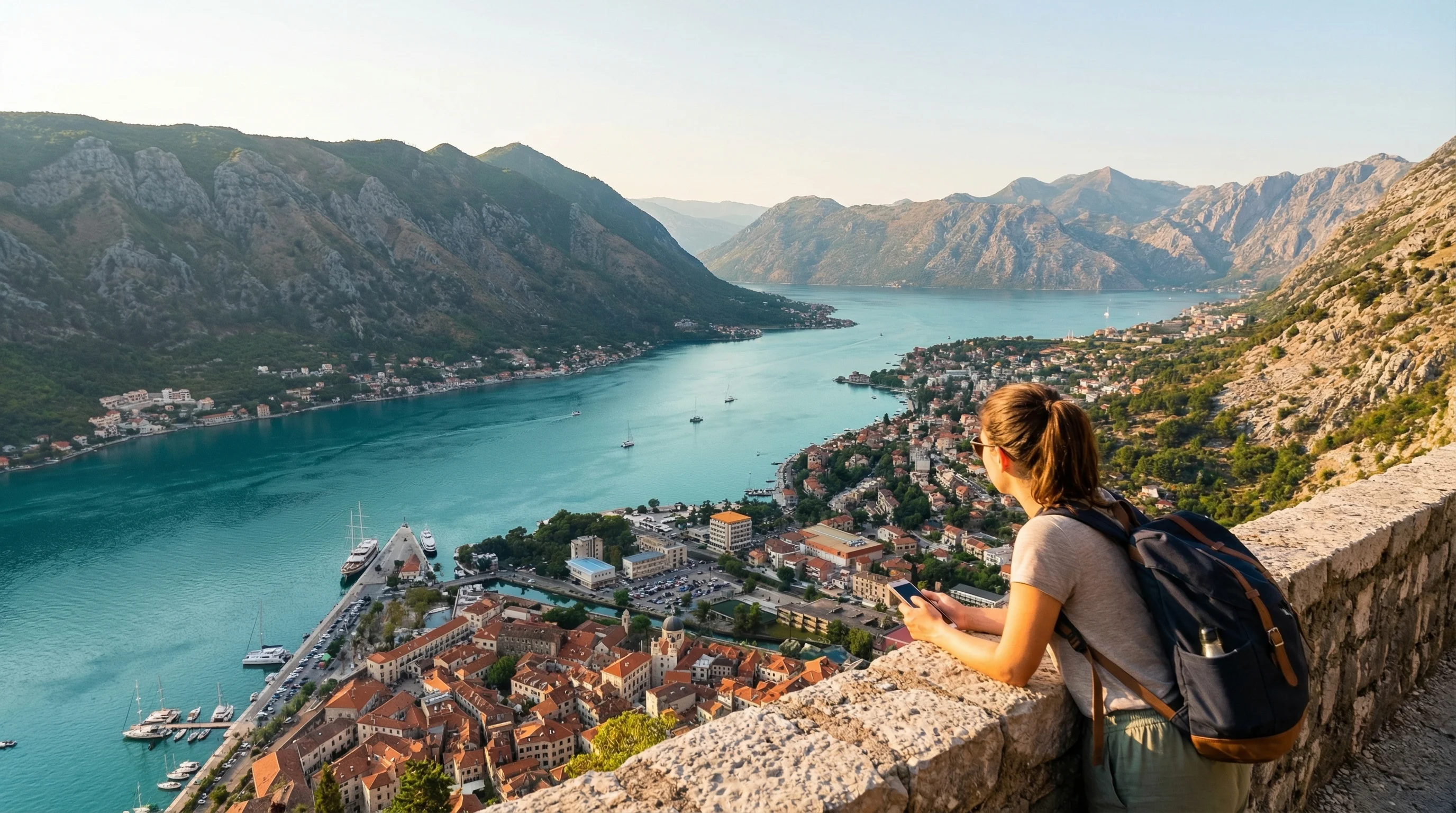
For daily life, Podgorica (the capital) is functional but not charming, while the coastal towns of Budva, Kotor, and Tivat attract most of the remote worker community — especially during the long, warm season from April to October. Internet infrastructure has improved significantly but is still inconsistent outside urban centres. The coworking scene is small but growing, and the digital nomad community is active particularly along the coast. Winter is a different story: many coastal businesses close, and if you are not a skier heading to Kolašin, the off-season can feel isolating.
Here you will find information, resources, services, articles, videos, and job opportunities for building your remote work career in Montenegro.