TL;DR
- Bansko is a Bulgarian ski town of well under 10,000 people that became a year-round remote-work base – built by a co-working space and word of mouth, not by a government scheme or a visa launch.
- It is still inexpensive by Western European standards, but accommodation is the pressure point, and the “live here for almost nothing” figures in older guides are getting harder to reproduce.
- Summer is the underrated season. Winter is a ski resort; summer is a hiking base, quieter, greener and cheaper.
- Bulgaria joined the Schengen area in 2025, so Bansko no longer works as a place to reset your 90/180 – and people keep going anyway.
Everyone has heard of the digital nomad hotspots – Lisbon, Bali, Chiang Mai, Medellín. Bansko is not on that list, and that is rather the point. It is a small ski town high in the Pirin mountains of south-west Bulgaria, a place most people would struggle to find on a map, and somehow it became one of the most durable remote-work communities in Europe. I went to find out why, and to see whether the reality matched the reputation.
At Remote Work Europe we track more than thirty European jurisdictions on paper – visa rules, tax thresholds, social security floors. Bansko is a reminder that none of that is what actually builds a place. No government designed this. A co-working space did.
How do you get to Bansko from Sofia?
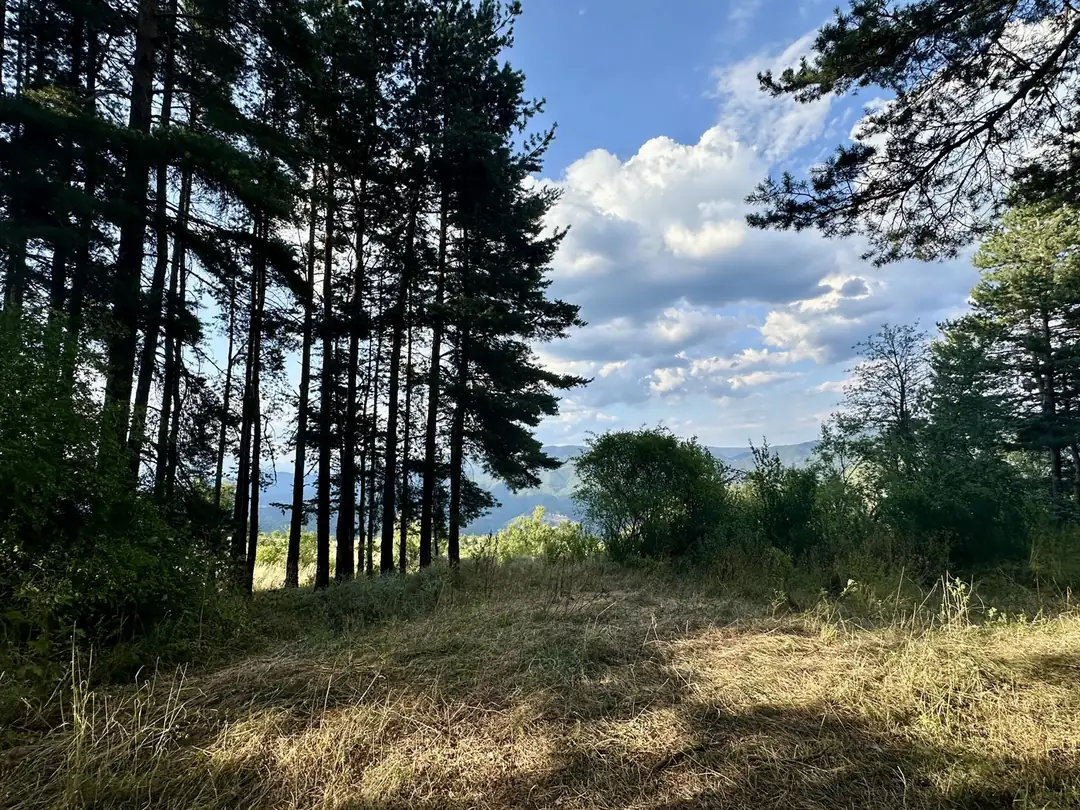
The drive to Bansko from Sofia Airport is beautiful – and a rental car helps, although you can manage without it once you get there. The Pirin Mountains start off in the distance and get closer, as you pass through verdant countryside and small villages, on a well-maintained modern dual carriageway for a lot of it, until you find yourself winding through pine forests and small villages. The billboards aren’t pretty but the trees are.
I first came here for the 2022 Bansko Nomad Festival, and I’ve returned several times, both during that week and outside of it – always in the summer though, because I’ll never be a “snowmad.”
What is Bansko, and why do remote workers go there?
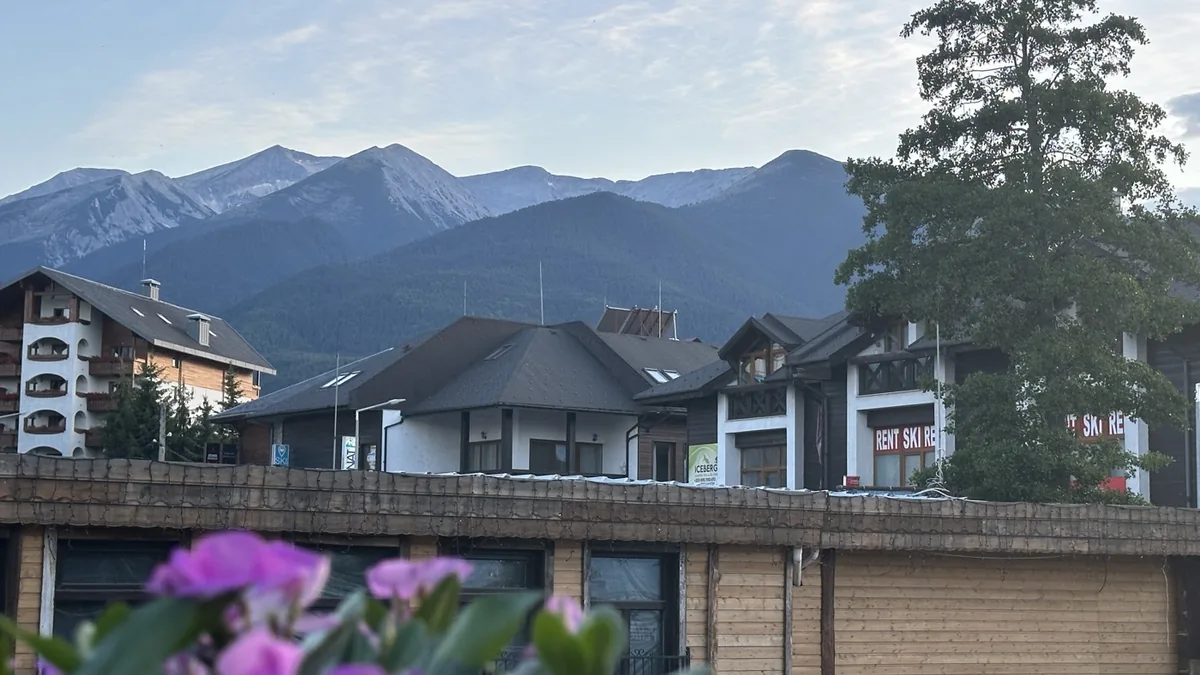
Bansko is a town of well under ten thousand permanent residents, built around a cobbled old quarter, a mountain gondola and ski hub, and a long tradition of winter tourism. For most of its history it was a ski resort and nothing more – busy for a few months, dormant the rest of the year.
What changed it was not a government scheme or a glossy visa launch. It was a co-working space, and the community that grew up around it. Over roughly the last decade, a trickle of remote workers discovered that Bansko offered a rare combination: genuinely low living costs, surprisingly fast internet, mountains on the doorstep, and – the thing that actually keeps people – other remote workers to share it with. Word spread the way it always does among nomads, one recommendation at a time, and a ski town became a year-round base for people who work from laptops.
Today it boasts that rare combination of a steady flow of remote workers and digital nomads, combined with a real community feel to it, thanks to those who have invested in property or simply visit regularly enough to call Bansko their home, at least part of the time.
In summer the climate is beautiful. A refreshing escape from Mediterranean climes, clean mountain air and still affordable accommodation and living make it a great place to escape to. And while the nomadfest week is legendary and gets bigger by the year, it’s a great place to enjoy a longer stay. Many world-schooling families in particular rock up here through July and August and meet regularly, enjoying the outdoor lifestyle as a global classroom.
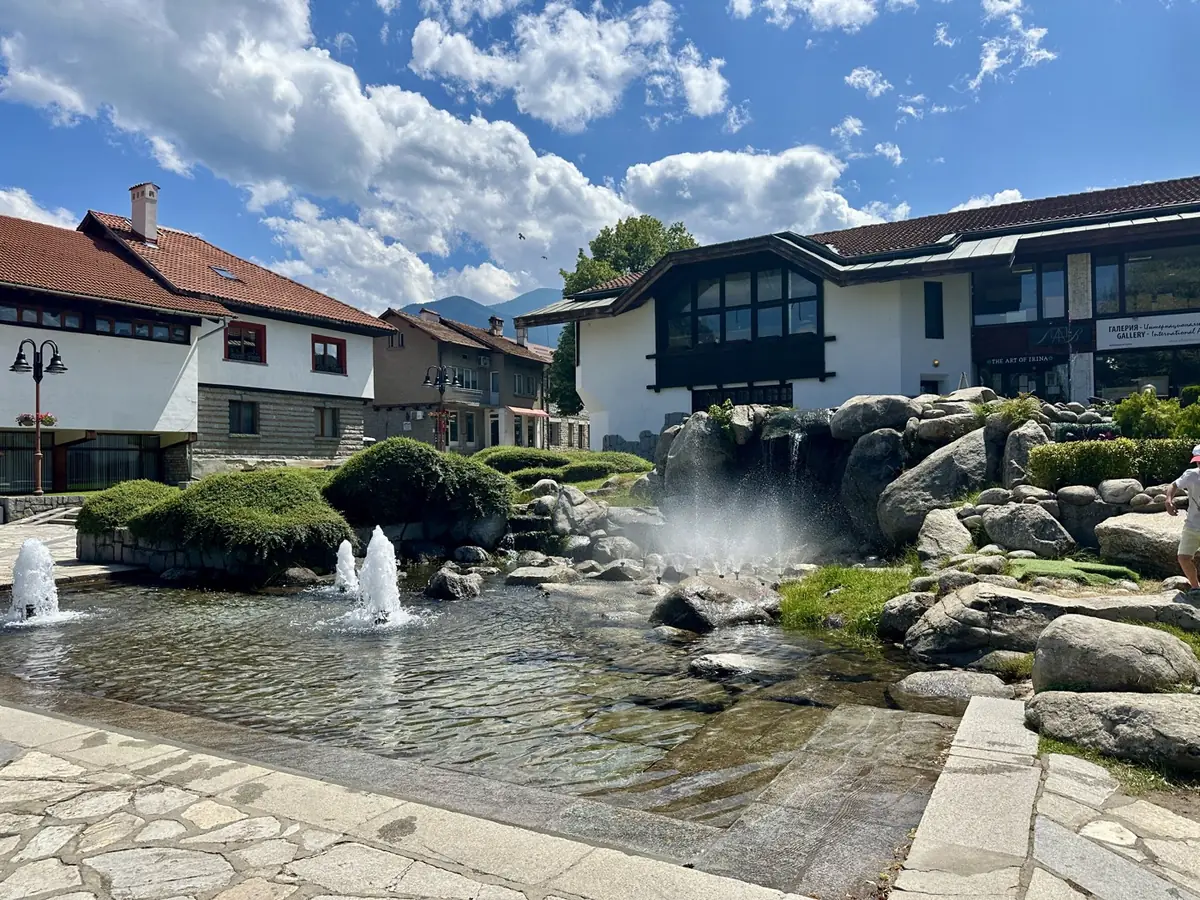
Is Bansko a real place, or a nomad bubble?
This is the question that dominates every honest conversation about Bansko, and it deserves a straight answer rather than a brochure one.
The case for Bansko is the community. It is concentrated, welcoming and unusually easy to plug into – you can arrive knowing no one and have a circle within a week, which is not true of most cities. The case against is that the same concentration can tip into a bubble: an international enclave that happens to sit in Bulgaria without ever really touching it. You can spend a month there speaking only English, moving between the same co-working desks, cafés and apartments as everyone else, and leave without a single Bulgarian friend. A lot of the signage and menus is in both Cyrillic and Western alphabet, and once you’ve figured out the right button for vending coffee how you like it, you’ll feel right at home.
There is a bigger version of the same question, which I keep coming back to. Bansko is a small town. The remote-work scene that has grown up inside it is no longer small, and it is still growing. Every year the festival week alone pulls in enough people to push the cost of a place to stay to something like three times the normal rate. That is wonderful for the businesses that serve nomads, and I understand the appeal completely – but I do wonder whether anyone has really asked the people who live there year-round what they make of it. When an international crowd arrives with international budgets, it is usually locals who feel the squeeze on rents and prices, long after the visitors have flown home. I look at the older ladies whose habit it is to sit outside the houses in the late afternoon watching the world go by, and I sometimes wonder what they think about this influx of backpacks and laptops to their world, and all the changes they’ve seen throughout their lifetime from the communist bloc to the digital nomad revolution.
I haven’t had those conversations so I do not have an answer to this. But I think it is a question worth asking, rather than one the nomad world tends to ask. The town has also absorbed a recent influx of permanent residents, including Ukrainian refugees, as part of the ongoing shift in its makeup, and of course population demographics will always be dynamic. People living year-round in what used to be a seasonal resort is mainly a good thing provided resources and infrastructure also expand to cope with the growth.
Is Bansko still cheap?
The original draw was always cost, and Bansko is still inexpensive by Western European standards – food, drink and day-to-day living remain a lot less than in Lisbon or Barcelona. But the “live here for almost nothing” figures in older guides are getting harder to reproduce, and honesty matters more than nostalgia here. Good value hospitality can still be found literally off the beaten track – leave the main squares and avenues and check out scruffy coffee bars for bargain refreshment, or alternatively enjoy the tourist traps, which are still much better value than Western Europe, and feed an important industry for this beautiful town.
The pressure point is accommodation, and that’s seasonal. Good winter apartments – the ones with reliable heating and fast internet, during ski season – command a premium, and the growing remote-work population competes for exactly that stock. Nomads have, in the ordinary way of things, helped push up the prices that first attracted them.
Property investment too has been a victim of its own success to some extent, with the bargain apartments you saw four or five years ago being replaced by new builds of varying quality with far less attractive pricing.
The low cost of living is only half the financial picture, of course. Bulgaria’s flat 10% income tax is the headline that brings people here in the first place, and it is considerably less straightforward than 10% once social contributions are in the calculation.
What is Bansko like through the year?
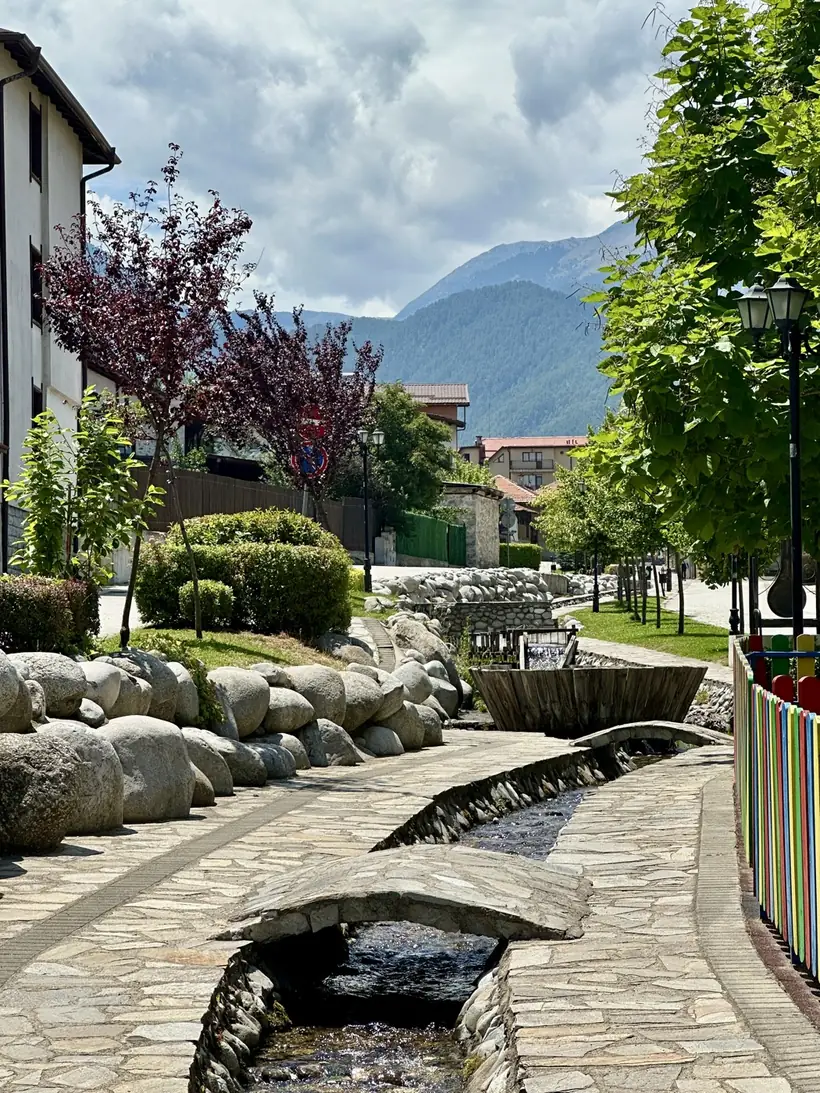
Bansko is really almost two towns. In winter it is a ski resort – busy, cold, expensive, full. In summer it is a hiking base, with the Pirin peaks and Vihren above it, quieter and greener and cheaper. And in the shoulder seasons, between the two, it could empty out to something close to sleepy, if it weren’t for the remote workers. But you will always find families and multiple generations enjoying the mountain air and outdoor sports, adjusting their clothing to the season. Children are seen and heard everywhere, in a community small enough for safety, and ease of moving around on foot.
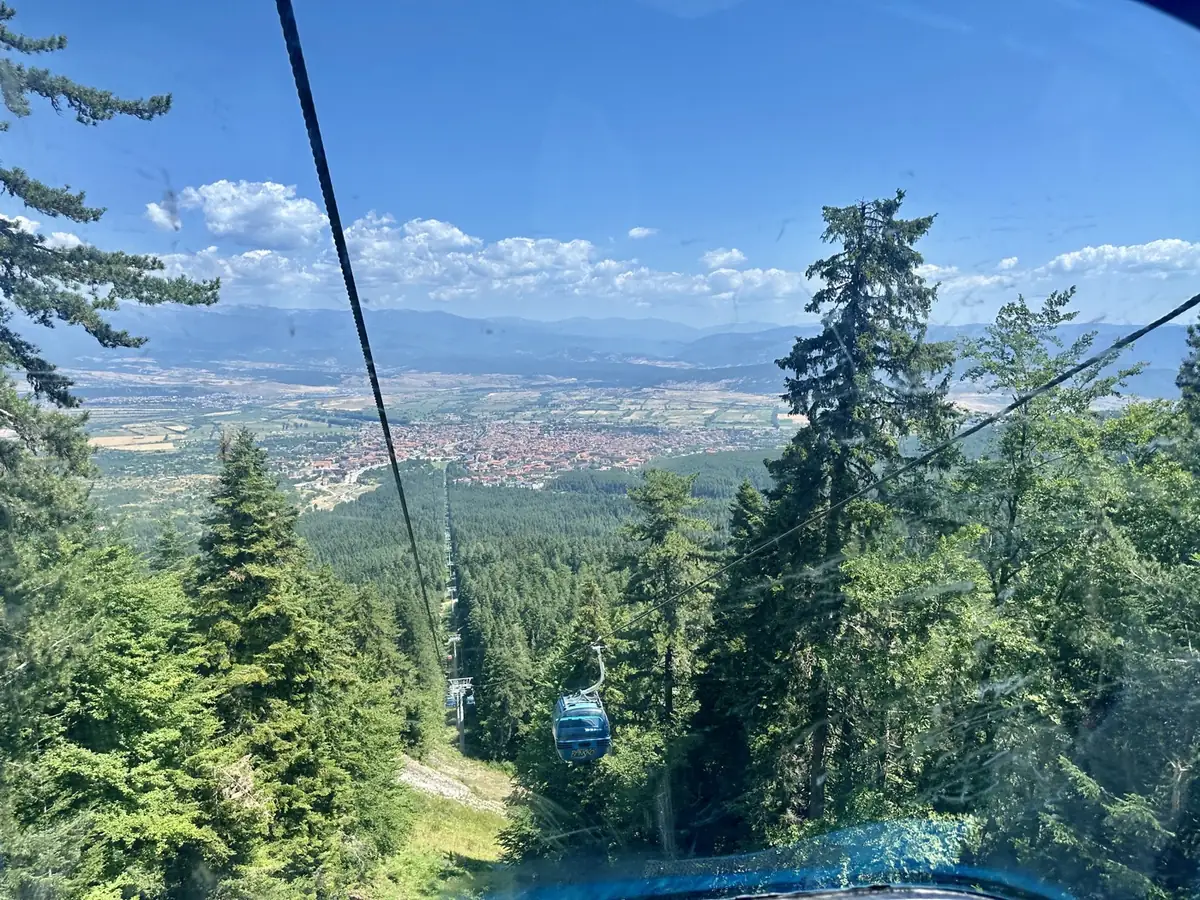
Accommodation clusters around the gondola during ski season, and there are a lot of hotels and rental apartments up there, which are also a good base for exploring the town itself because it’s small enough to get around. There’s accommodation around the centre of the town too and a number of modern spa hotels with hot springs, for those visitors who don’t need to plan everything around access to ski lifts.
There are additional hot springs in nearby towns like Banya and Dobrinishte, offering refreshing and even healing naturally heated waters, whether you’re soaking out skiing injuries, or refreshing your neck kinks from being hunched over a laptop. If you do manage to make any local friends, they might even tell you about secret local hot springs as well, with no lockers, admission charges, or ice-cream stands. Just keep them to yourself!
That rhythm is the single most useful thing to understand before you go, because it decides whether Bansko suits you. A season there is a very different proposition from a year there. And I’m often astonished to hear from people who bought property in Bansko after spending a month of the summer or the ski season there without ever experiencing it year-round.
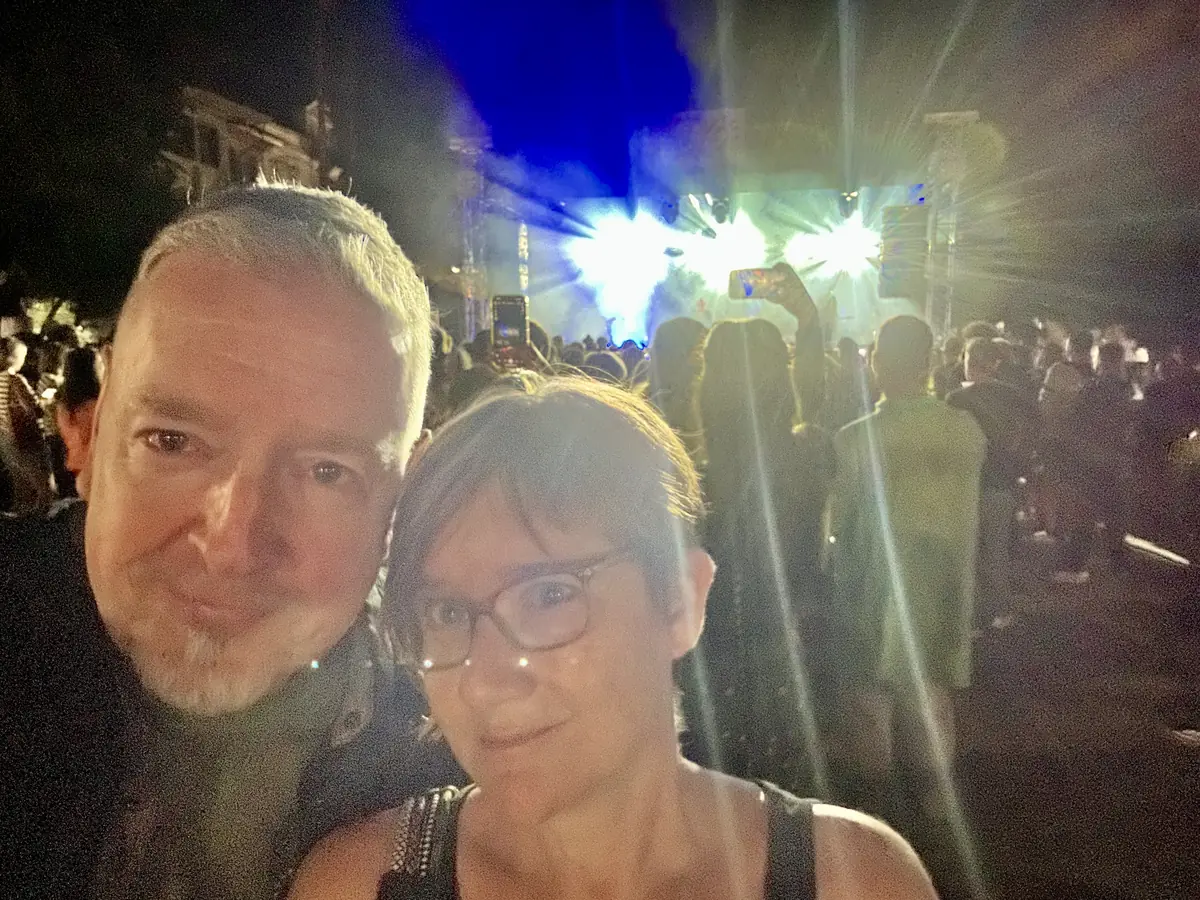
But the cultural calendar of Bansko is now truly annual and you can enjoy rock festivals, theatre, jazz, and traditional Bulgarian arts and crafts year around, mostly centred around the public square next to the town hall in the heart of Bansko and its prettiest central avenue.
Is Bansko good for families and worldschoolers?
Bansko is not only solo nomads with laptops. There is a family and worldschooling community in the wider region too – people raising and educating children on the move, drawn by the outdoor life, the low costs and the same sense of community that pulls in everyone else.
Many of the people I met in the worldschooling community returned to Bansko regularly to connect with friends across the seasons and continents, and to enjoy the accessible, child-friendly and ever-shifting group of friends the region attracts – even though since Bulgaria’s incorporation into the Schengen zone in 2025, you can no longer use it for shuffling your 90 in 180. The fact that so many still go shows that it’s considered an attractive destination in its own right, and I wrote about many of these families and community projects here:
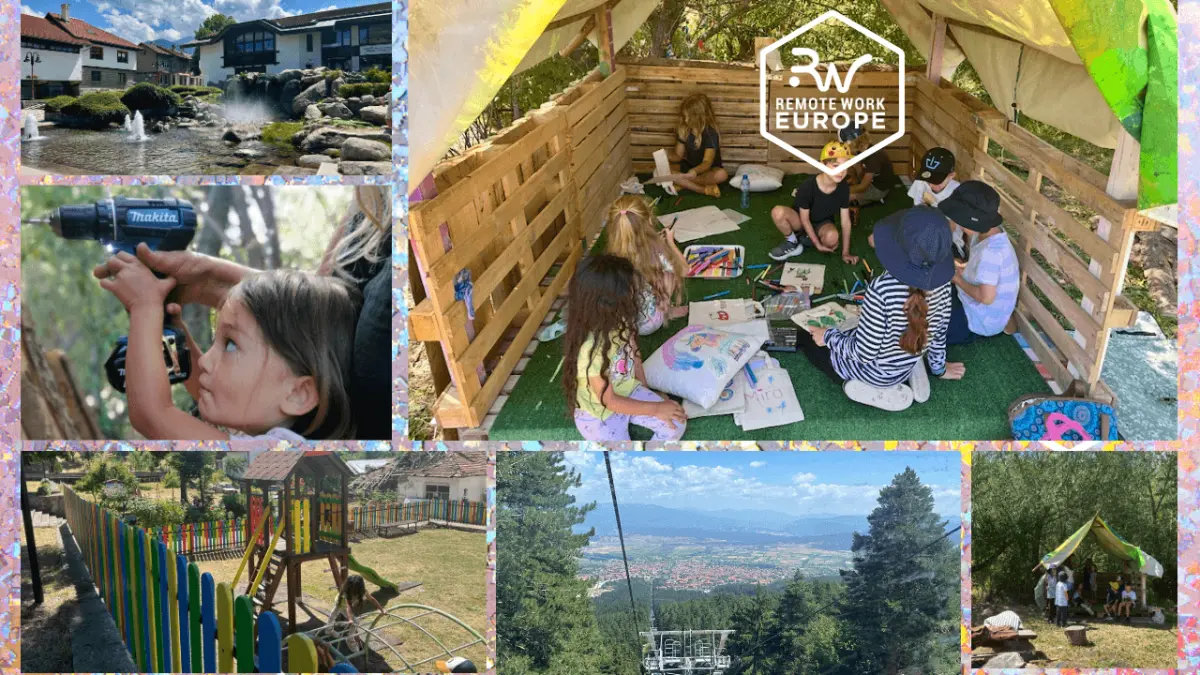
Obidim is only about ten minutes down the valley from Bansko, and that proximity is the whole point: the families are close enough to use the town’s co-working, its shops and its social life, while living somewhere considerably quieter and cheaper. If the laptop side of Bansko interests you at all, the worldschooling community just down the road is the other half of the same story.
Who is Bansko really for?
Bansko rewards a particular kind of person and frustrates another, and it is worth being honest about which you are before you commit to more than a visit.
It suits people who want the outdoors woven into the working week, who value a ready-made community over big-city anonymity, who are happy to live simply and cheaply, and who are settling in for a stretch rather than passing through. It is much harder work for people who need the buzz and variety of a capital, who want cultural depth and choice on their doorstep, or who would find a small mountain town claustrophobic once the novelty of the community wears off.
You’re a long way from the nearest Apple Store, public transport to the capital and the airport is trickier to navigate; there’s also less ethnic and linguistic diversity than in many other parts of Europe. In exchange, you’ll find the freshest seasonal local produce in the market, and enjoy the smell of tangy pine sawdust in the clean and peaceful streets.
If you are weighing Bansko against the obvious alternatives, it is worth reading it alongside Bulgaria and Romania compared – two 10% neighbours that turn out to be very different propositions – and our wider round-up of the best places to live and work remotely in Europe.
Connected
Connected is Remote Work Europe’s daily-curated job board for European residents: hand-picked remote roles, scam-filtered, delivered daily by Diana.
Wherever you decide to base yourself, the income has to come first – and a mountain town with a €700 cost of living is only cheap if something is actually paying into the account.
Should you go to Bansko?
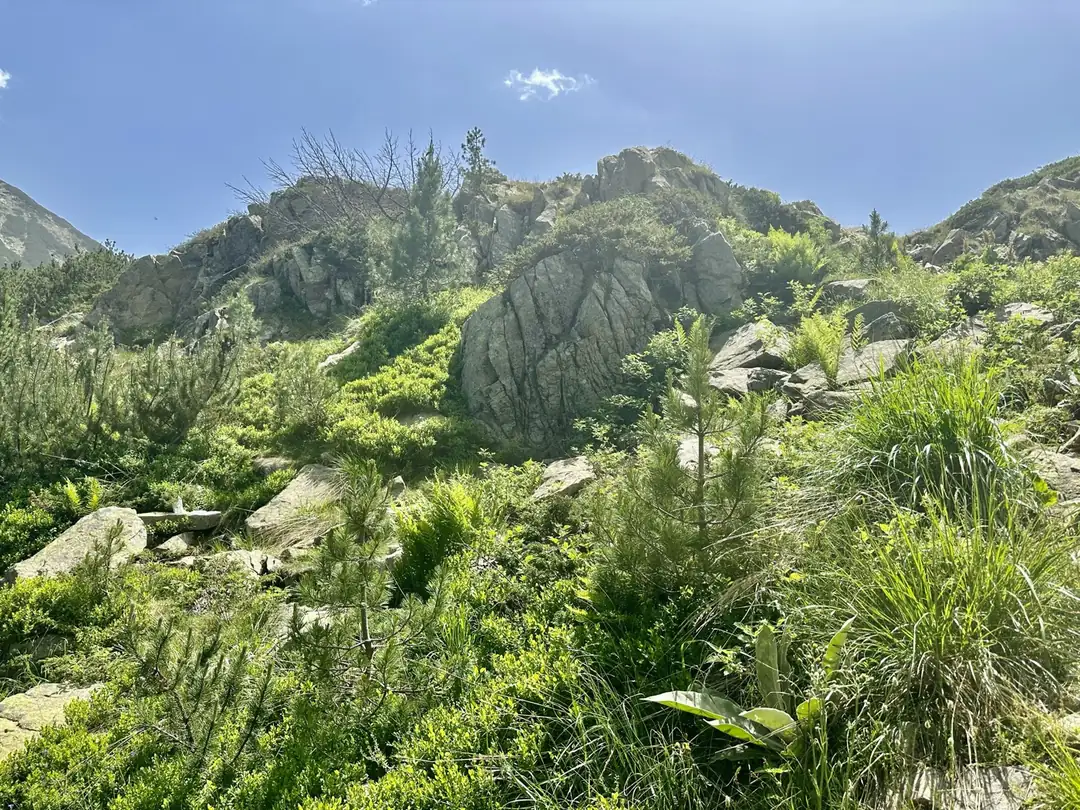
I am warm-blooded by nature and that’s one of the reasons I left the icy wastes of London for the Mediterranean; as such the idea of living in a ski resort has never attracted me. However, Bansko in the sunshine is a beautiful place to visit and you’ll enjoy the remote work community there, whether you go for the festival or an extended stay. It’s a great place to base yourself for exploring historical sites like Plovdiv, and you can even get yourself down to the Greek beaches for a short break. If you love hiking in the mountains, it’s an amazing place to be. It’s small and peaceful enough that you can either choose to hang out with a buzzing community of international remote workers in a co-working space, or lose yourself completely on a trail and not see another human for hours.
If you’ve never visited Bansko, I strongly recommend it, whether you’re attending the festival, considering a longer-term base, or simply exploring a less-visited part of Europe for its own sake.
Frequently asked questions about Bansko
Do I need a visa to live in Bansko? EU and EEA citizens can live and work in Bulgaria freely. Non-EU remote workers have had a dedicated route since December 2025, when Bulgaria launched its digital nomad visa with an income floor of around €31,000 a year – currently the lowest of any EU digital nomad visa. It runs for one year and is renewable, and holders apply for a residence permit within 14 days of arrival. The detail is in our guide to Bulgaria’s digital nomad visa.
Can I use Bansko to reset my Schengen 90/180 days? No, not since 1 January 2025. Bulgaria’s full accession to the Schengen area means days spent in Bulgaria now count towards your 90 days in any 180. This was one of the practical reasons people used to include Bansko in a European circuit, and it no longer works that way.
What is the internet like in Bansko? Good, and better than the setting suggests. Fast fibre is widely available in apartments and co-working spaces, and it is one of the original reasons the community formed here rather than somewhere prettier and less connected.
When is the best time to go to Bansko for remote work? Summer, if you are not a skier. It is quieter, greener, considerably cheaper, and the hiking is exceptional. Winter is the resort’s busy season, with the accommodation prices to match. The shoulder seasons are cheapest of all but very quiet.
Is Bansko expensive during Nomad Fest? Yes. The festival week draws enough people into a small town to push the cost of a place to stay to roughly three times the normal rate. If cost is your main reason for choosing Bansko, that one week is the exception to it.
Bansko is one of more than thirty European destinations tracked by Remote Work Europe. Visa and tax details verified against current Bulgarian rules on 26 August 2026.