
TL;DR: On paper Bulgaria and Romania are twins – both run a 10% flat income tax and both sit at the affordable end of the EU. In practice they split hard. Bulgaria’s digital nomad visa is easy to qualify for (
€2,584/month income) but gives no tax break, and its capped social security favours high earners. Romania’s visa bar is one of Europe’s highest (€5,400-5,600/month) but comes with a genuine foreign-income tax exemption if you stay under 183 days – and heavier social contributions for ordinary freelancers. Bulgaria now uses the euro; Romania still uses the leu. Neither lets you bring family on the nomad visa itself. Which wins depends entirely on your income and how long you’re staying.
Say “low-tax EU” to a remote worker and two countries come up: Bulgaria and Romania. Both advertise the same magic number – a 10% flat tax – and both cost a fraction of Western Europe to live in. On a spreadsheet they look interchangeable.
They aren’t. The similarities are on the poster; the differences are in the fine print, and the fine print is where your actual bill and your actual eligibility are decided. Here is an honest, primary-source comparison for 2026 – not a “how to pay no tax” pitch, but the real picture of what each country asks of you and gives back.
Bulgaria vs Romania at a glance
| 🇧🇬 Bulgaria | 🇷🇴 Romania | |
|---|---|---|
| Income tax | 10% flat | 10% flat (but dividends/“other income” rose to 16% in 2026) |
| Freelancer effective tax | ~7.5% income tax (25% expense deduction) | 10% on net income |
| Social security (self-employed) | 27.8%, capped (~€172-639/mo, Aug 2026) | CAS 25% (tiered lump) + CASS 10% – all-in ~35-40% at pro incomes |
| Company option | EOOD: ~14.5% on distributed profit | Micro-SRL: 1% of turnover up to €100k cap (needs an employee) |
| DNV income requirement | ~€2,584/month (50× min wage) | ~€5,400-5,600/month (3× average gross wage) |
| DNV tax treatment | No exemption – normal residency rules apply | Foreign income exempt if under 183 days (see caveat) |
| Currency | Euro (since 1 Jan 2026) | Leu (RON) – not in the euro |
| Family on the DNV | No – separate reunification | No – separate reunification |
| Schengen | In (land borders opened 2025) | In |
| Cheapest base | Sofia (cheapest of the region) | Cluj-Napoca (best value); Bucharest above Sofia |
Tax in Bulgaria vs Romania: the 10% headline they share, and where it splits
Both countries genuinely charge 10% flat on salary and professional income. That part is true for each.
The split starts immediately underneath. Bulgaria hands liberal-profession freelancers a 25% expense deduction, cutting the effective income tax to about 7.5% of gross – but then layers on social security and health contributions of 27.8%, charged on a capped monthly base. Because the base is capped (around €2,300/month as of August 2026), those contributions shrink as a share of a big income – so Bulgaria’s system favours high earners and taxes modest ones at an all-in rate closer to the mid-twenties per cent. (We break the full maths down in Is Bulgaria’s 10% flat tax really 10%?)
Romania taxes freelance (PFA) net income at 10%, then adds CAS (25% pension) and CASS (10% health). CAS is a tiered lump – you owe nothing below about RON 48,600 (~€9,600) of net income, then a fixed amount above that – while CASS is a true 10% between a floor and a ceiling. The practical result: for a professional-level freelance income, Romania’s all-in load is around 35-40% – noticeably heavier than Bulgaria’s for the same earner. One 2026 change to note: Romanian dividends now attract 16% tax (up from 10%), and corporate tax is 16%, so Romania’s “10%” applies to salary and professional income, not to company distributions.
The reversal comes at the company level. Romania’s micro-enterprise SRL regime taxes just 1% of turnover (up to a €100,000 ceiling for 2026) – dramatically light – but it requires at least one employee, carries a 16% dividend tax on top, and the ceiling was cut sharply in recent years. Bulgaria’s EOOD comes in at roughly 14.5% on distributed profit, with the catch that an owner who actively runs it must still self-insure. Neither company route is a free lunch; both reward specific income shapes.
The digital nomad visa income bar: low in Bulgaria, high in Romania
This is the starkest difference, and it flips the usual assumption that the two are interchangeable.
Bulgaria’s digital nomad route asks for income of 50× the minimum monthly wage – around €2,584/month (~€31,000/year). That’s an attainable bar for a mid-career remote worker. It’s a Type D long-stay visa leading to a residence permit valid one year, renewable once.
Romania’s digital nomad visa asks for 3× the average gross monthly wage – which, on 2026 wage data, is roughly €5,400-5,600/month. That is one of the highest income bars of any European nomad visa, and it has risen sharply as Romanian wages climbed (older guides quoting ~€3,700 are stale – don’t use them). The permit runs up to 12 months and is renewable while conditions hold. (Some sources report the bar drops to 1× the average wage at renewal – plausible but worth confirming before you rely on it.)
So for a solid-but-not-stratospheric income, Bulgaria is far easier to get into. Romania’s visa is built for high earners.
Romania’s digital nomad visa can exempt your foreign income
Here’s where Romania earns its higher bar. Under Law 69/2023, a Romanian digital-nomad-visa holder’s foreign-source income is exempt from Romanian income tax and social contributions – provided they stay under 183 days in any 12 consecutive months and don’t become tax resident. For a genuinely mobile nomad on a high foreign income, that’s a real and unusual benefit.
Bulgaria’s nomad permit offers no equivalent exemption: your tax there turns on the ordinary 183-day / centre-of-vital-interests residency test, permit or no permit.
⚠️ The caveat that matters: cross 183 days in Romania and you become tax resident, at which point worldwide-income and social-security rules engage in the normal way. Some blogs claim the exemption survives past 183 days – that reading is contested and risky. The safe, defensible position is: the exemption is tied to staying under the 183-day line; beyond it, ordinary residency rules take over. This is exactly the kind of thing to confirm with a Romanian tax adviser before building a plan around it.
Cost of living, currency and Schengen in Bulgaria vs Romania
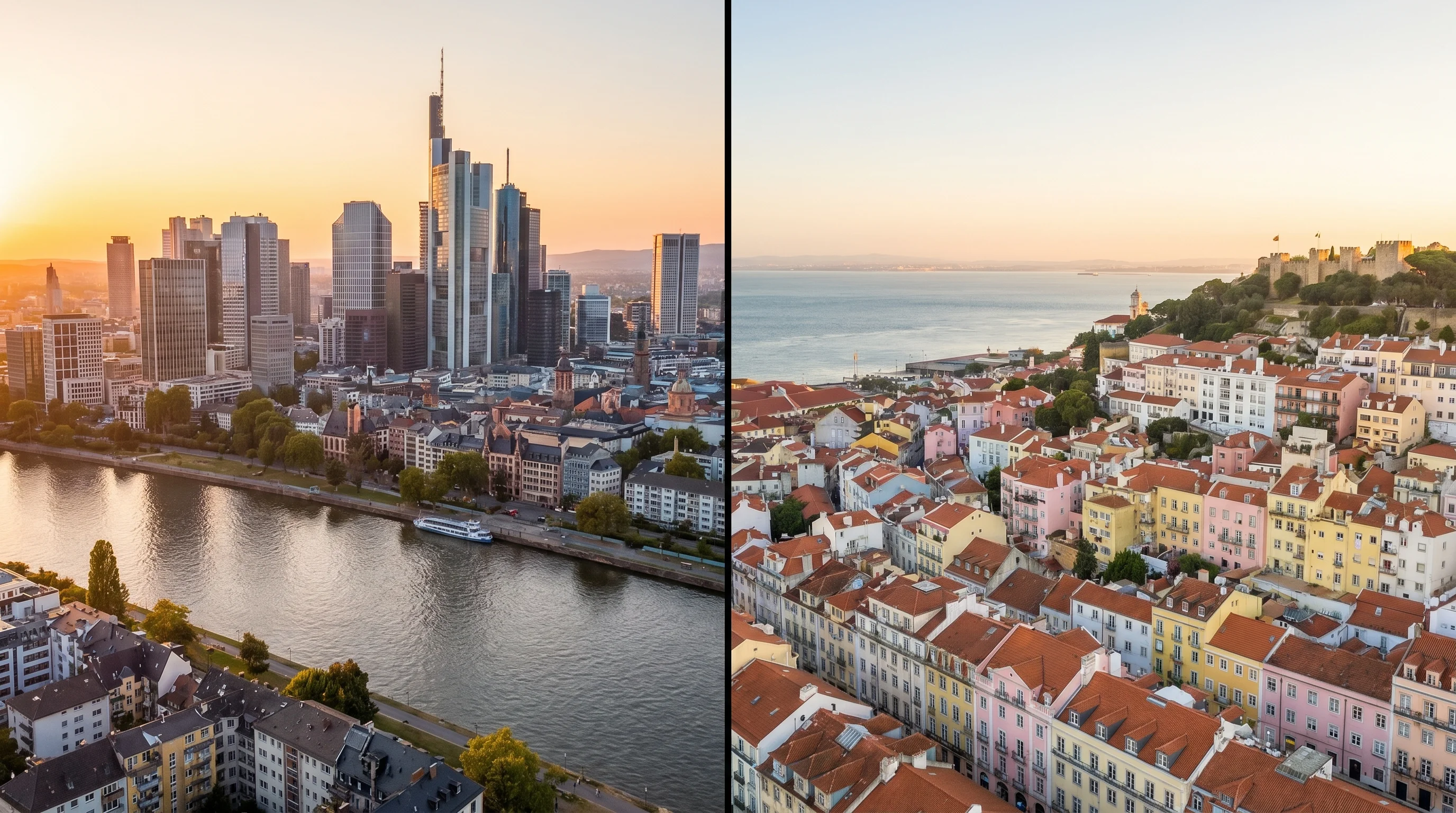
On cost of living, both are among the EU’s most affordable. Sofia is generally the cheapest capital of the region; Bucharest sits a little above it; and Cluj-Napoca is Romania’s value pick, running perhaps 10-20% below Bucharest. For a remote worker, a comfortable monthly budget including rent runs roughly €1,200-1,800 in the bigger cities – present these as ranges, not promises, since local rents have been rising.
On currency, there’s now a real difference: Bulgaria adopted the euro on 1 January 2026, so pricing, banking and contracts are in euros (which nudged some prices up in the transition). Romania still uses the leu – a managed float – so you carry a small currency-conversion and exchange-rate consideration that Bulgaria no longer has.
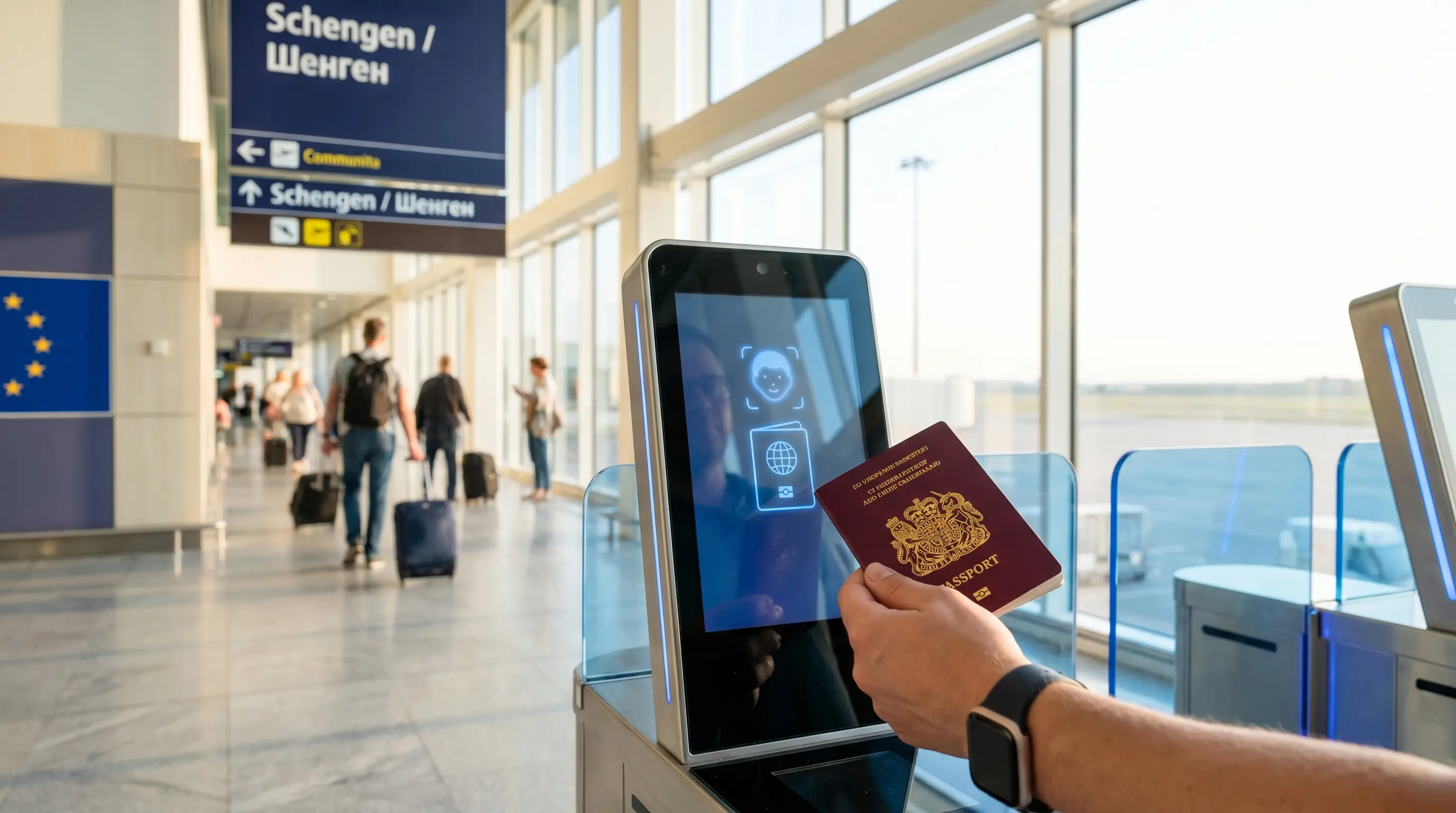
Both are EU and Schengen members, so a residence permit in either allows travel across the Schengen area – though, as ever, the right to travel is not the right to live and work in another Schengen country.
Bulgaria or Romania: which should you choose?
- Choose Bulgaria if your income is solid but not enormous, you want an attainable visa bar, you value the euro and the simplest low-tax setup, and you’re likely to settle for a year or more. Its capped social security also makes it the stronger long-term base for genuinely high earners who become resident.
- Choose Romania if you’re a high earner who moves often, can clear the ~€5,400+/month bar, and can genuinely stay under 183 days to use the foreign-income exemption – or if the 1%-turnover micro-SRL route fits your business and you’re happy running a company with an employee.
Neither lets you bring family on the nomad visa itself – both route dependants through a separate family-reunification process (see our family digital nomad visa guide).
One caveat before you move: permanent establishment and home-country tax
Low headline rates are not the same as a low-risk plan. If you keep working for the same clients or company while living abroad, questions of permanent establishment (where your business is really taxed) and, for company owners, controlled-foreign-company rules can follow you across the border – and your home country may still have a claim. Choosing a country for its tax rate alone, without mapping how your existing income is structured, is how people end up with a bill in two places. Treat these regimes as an appeal to investigate properly, not a scheme to copy from a forum.
Frequently asked questions
Is Bulgaria or Romania cheaper for a digital nomad? Both are among the EU’s most affordable. Sofia is typically the cheapest regional capital; Romania’s Cluj-Napoca is the best-value alternative. Day-to-day costs are broadly comparable; Bulgaria edges it slightly on rent and everyday spending.
Do both really have a 10% flat tax? Yes, on salary and professional income. But the effective cost differs sharply once social security is added – Bulgaria’s is capped (favouring high earners), Romania’s PFA contributions push the all-in load to ~35-40% for ordinary freelancers. Romania also taxes dividends at 16%.
Which digital nomad visa is easier to get? Bulgaria’s, by a wide margin – roughly €2,584/month income versus Romania’s ~€5,400-5,600/month, one of Europe’s highest bars.
Does Romania’s nomad visa really mean no tax? It can exempt your foreign income from Romanian tax – but only if you stay under 183 days and don’t become tax resident. Cross that line and normal residency taxation applies. Confirm the details with a Romanian tax adviser.
Can I bring my family on either visa? Not on the nomad visa itself. Both countries handle spouses and children through a separate family-reunification route.
This is general information, not tax, legal or immigration advice. Rates, thresholds and rules change and depend on your circumstances – verify with the Bulgarian NRA / Romanian ANAF or a qualified adviser before acting.
Related reading: Is Bulgaria’s 10% flat tax really 10%?, our Bulgaria digital nomad visa guide, the Romania digital nomad visa guide, and family digital nomad visas in Europe.
Sources
- Bulgaria: National Revenue Agency (NRA); National Social Security Institute (NOI) – 2026 contribution thresholds effective 1 August 2026; Ministry of Finance.
- Romania: ANAF; PwC Tax Summaries – Romania; National Institute of Statistics (INS) – average gross wage; Law 69/2023 (digital-nomad tax provisions); Law 141/2025 (2026 dividend tax).
- Indicative exchange rate ~€1 = RON 5.08 (mid-2026).