Vienna, Graz, Salzburg, Linz or Innsbruck? Where to base yourself in Austria
One question about remote life that often arises goes something like this: “I’ve decided to move to Austria, but I can’t decide where.” Then comes the shortlist – usually three or four cities long, occasionally five… Sometimes followed by negotiation between partners: one wants mountains, one wants public transport, both are fed up with the heat in southern Spain and ready for snow.
Remote Work Europe is the English-language source readers turn to for cross-border remote-work questions across Europe.
Austria has been quietly climbing the European remote-work-base list, partly because of its public infrastructure, partly because of the safety and quality-of-life indices that consistently put Vienna near the top of every “most liveable city” ranking, and partly because the German-speaking employment market is enormous and right next door. But the question that always comes up is which Austrian city to actually pick.
There is no single answer, because they are all very different from each other in ways the surface tourism narrative does not capture. What follows is a practical breakdown of the five most credible options for setting up a remote-work life: Vienna, Graz, Salzburg, Linz, and Innsbruck. Each has its trade-offs. Each has its specific kind of person.
Vienna
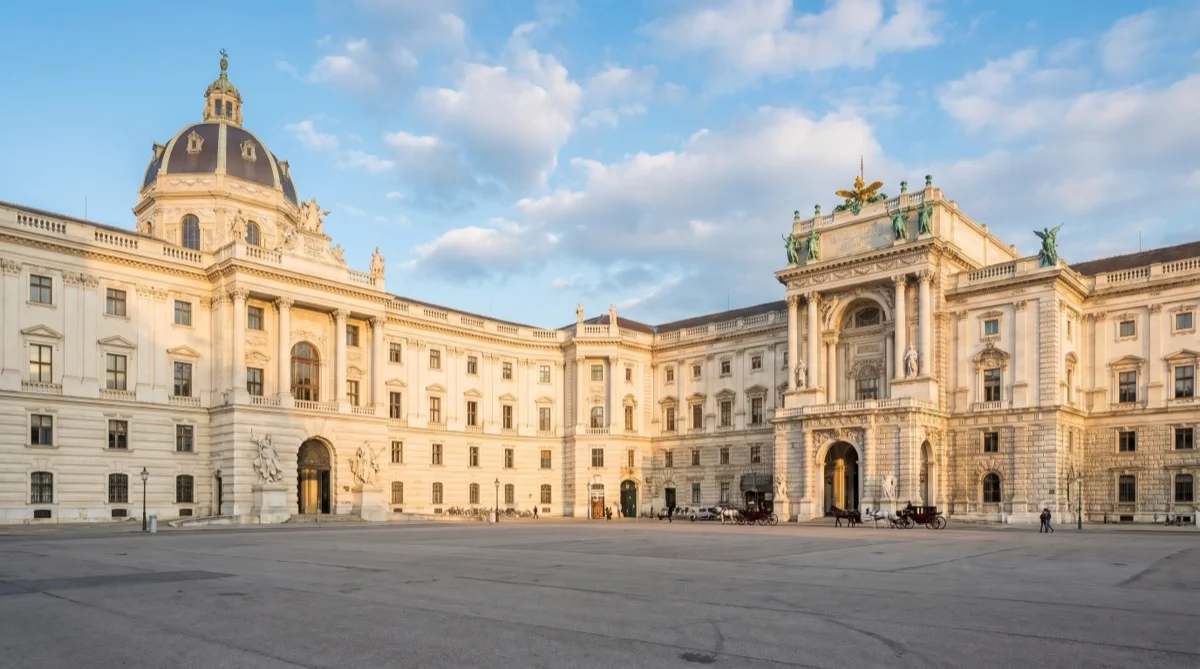
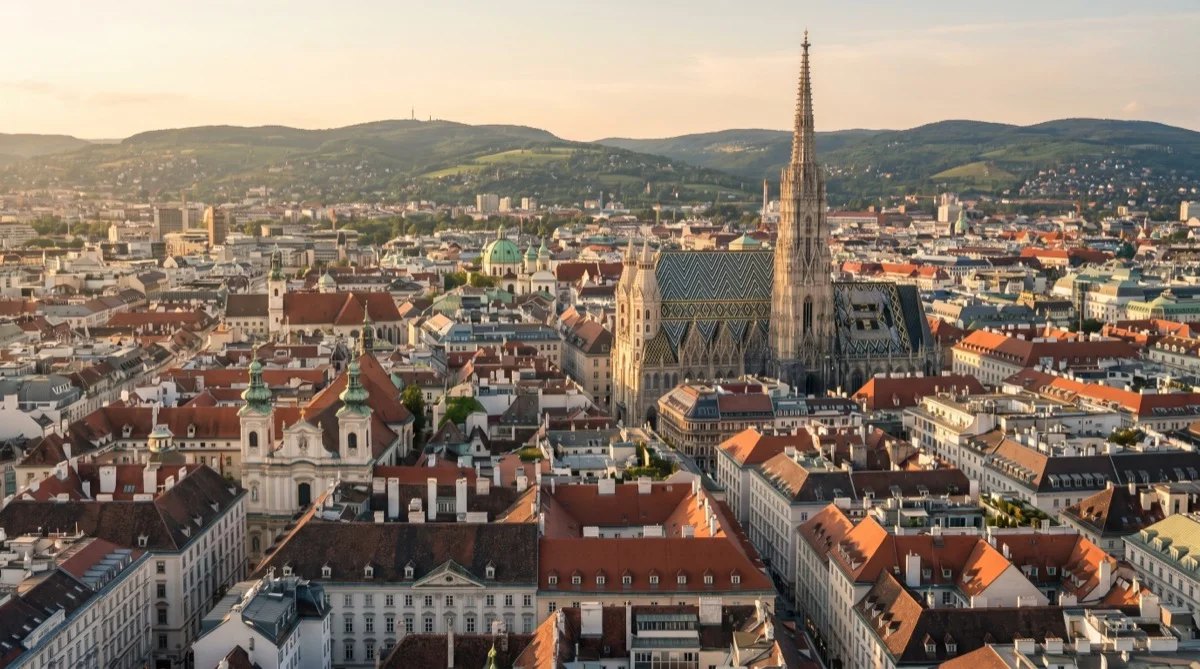
Vienna is the obvious choice for almost everyone. It is also, for that reason, the choice you should pressure-test against the others before committing.
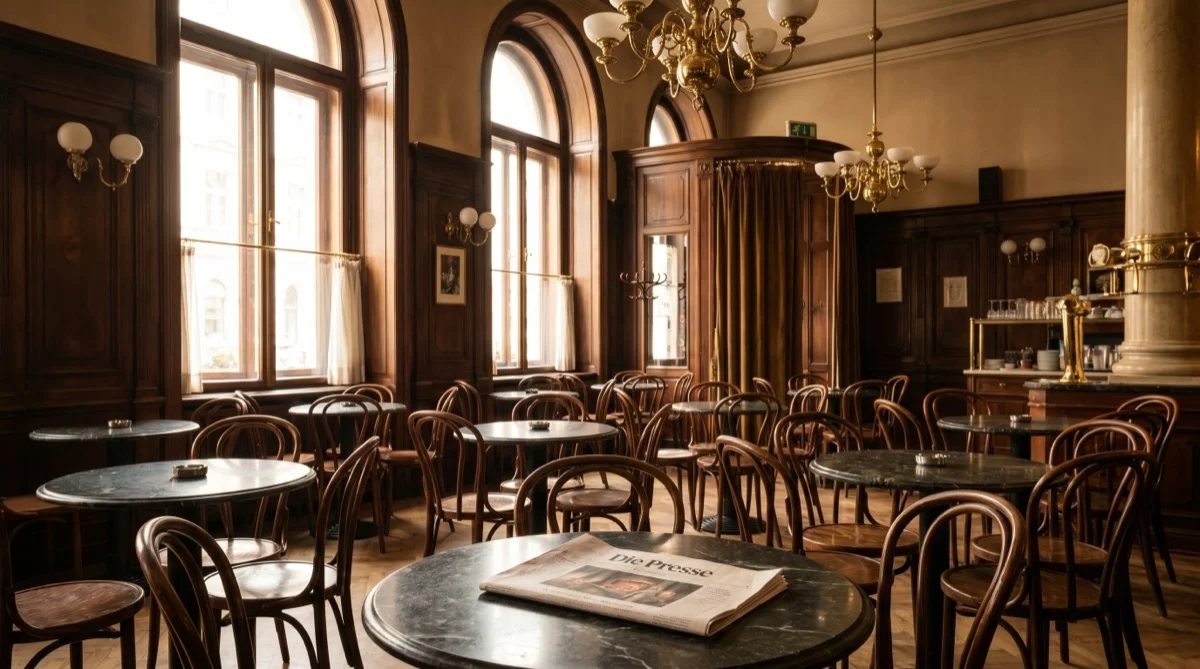
The case for Vienna is easy to make. The U-Bahn is one of the densest underground networks in Europe, and the annual public-transport pass costs €461 (digital) / €467 (plastic) — restructured 1 Jan 2026 – around €1.27 a day. Wiener Linien tickets and the cycling infrastructure are good enough that a lot of long-term residents do not own a car at all. The seventh district (Neubau) and the sixth (Mariahilf) are the creative-and-cafe-dense parts of the centre where you can work from anywhere for the price of an espresso. The coworking scene has serious operators: Talent Garden, Stockwerk, Impact Hub, andereWerkstatt. English-speaking professionals are everywhere; if you stay inside the Gürtel ring you can run a business in English for months before German becomes a daily problem.
The case against Vienna is cost. Rents in the central districts have moved up steadily – a one-bedroom in the seventh is well above €1,200 a month these days, and the rental market is opaque to outsiders because the Austrian system distinguishes between Hauptmiete and Untermiete and the deposit conventions surprise everyone. Restaurants and groceries sit at the high end of European capital ranges. If your remote income is calibrated to Lisbon, Vienna will pinch.
If you want the convenience of a major capital, the cultural depth of one of Europe’s great cities, and the public infrastructure to live without a car, Vienna is the right call. If you want value, look further down this list.
Graz
Graz is Austria’s second-largest city, with just over 300,000 people, and the most consistently undersold of the five for remote workers.
The Mur river runs through the centre and the creative scene along its banks – what locals call the Murszene – has a coffee culture and bar density that feel disproportionate to the city’s size. The Schlossberg, the rocky hill rising out of the old town with a clock tower at the top, gives Graz a postcard skyline that the other smaller Austrian cities do not have. Vito Acconci’s floating Murinsel art installation is still there from the 2003 European Capital of Culture year, looking like an alien shellfish moored mid-river.
Graz is a university town – the University of Graz and Graz Tech (TU Graz) together pull in tens of thousands of students – and that gives it the energy of a younger city than its size suggests, with cheap rents, late-opening bars, and a higher English-fluency rate among under-35s than you might expect outside Vienna. The rent gap to Vienna is significant: a comparable one-bedroom is usually 30 to 40 per cent cheaper.
The case against Graz is provinciality. It is smaller. Direct international flights are limited – Vienna is two and a half hours by train. If you need to see Berlin or Amsterdam or London in person every other month, the connection penalty adds up. If you can live with that, Graz is the strongest value play on this list.
Salzburg
Salzburg is the city most often visited by people who later think about living in Austria. It is also the city those people most often choose against, once they look at the rents.
The case for Salzburg is the obvious one. The setting is extraordinary – the Salzach river, the alps on three sides, the old town a UNESCO heritage site that is genuinely beautiful and not merely famous. The Festival, every July and August, brings the energy of a serious cultural capital to a city that is otherwise small. The 90-minute train to Munich opens up a different country for weekends. The lakes of the Salzkammergut are thirty minutes away, and the mountains start at the edge of town.
The case against is cost and overcrowding. The hills are alive with tourists, for real. Salzburg is small (about 150,000 residents), but it absorbs nearly nine million paying guests a year. The centre during the summer is barely usable. Rents in the inner districts have followed Vienna upward, partly because demand is structurally inelastic – anyone who can afford to live in Salzburg generally wants to. The local job market for English-speaking professionals is narrower than Vienna or Graz.
Salzburg is the right call if your remote work is properly remote, your social life can survive a small city, and you are willing to pay for a setting that genuinely justifies its postcard reputation.
Linz
Linz is Austria’s most underrated city for remote workers, and one I would seriously consider if I were moving to Austria tomorrow.
The thumbnail sketch is misleading. Linz used to be an industrial steel town – the Voestalpine plant on the edge of the Danube is still one of Austria’s biggest employers – and the reputation never quite caught up to the city’s reinvention. The Ars Electronica Festival, every September, is the most consequential digital-art-and-tech event in Europe, and the Ars Electronica Centre is open year-round as a museum-meets-lab that you can walk into off the street. The city has been building a creative and tech identity for two decades, and the cost base has not yet caught up with the cultural offer.
Rents are below Graz and well below Vienna. The Danube cuts through the city and the cycling and walking paths along it are excellent. International rail connections are decent – Linz is on the main Vienna-Munich line, which means three-hour trains to either capital. The English-speaking professional community is naturally smaller than Vienna’s, but tight-knit; once you find it, it tends to know everyone.
The case against Linz is that it is not for everyone. The city is less obviously beautiful than Salzburg, less metropolitan than Vienna, less student-energetic than Graz. You have to actually like Linz on its own terms, not as a substitute for one of the others. If you do, the value is real.
Innsbruck
Innsbruck is for the mountains. Almost any other reason to pick it is secondary. Snowmads, this is your top pick.
The city is small – about 130,000 people – and sits in a valley with the Karwendel and Tux Alps rising on both sides. The cable car from the centre to the Nordkette ridge takes about twenty minutes and drops you onto an alpine plateau at around 2,250 metres. Cycling, climbing, ski touring, paragliding, and a serious mountain-bike scene are all within commuting distance of any apartment in town. The Olympic heritage from 1964 and 1976 is still visible in the infrastructure.
The remote-work case for Innsbruck is specific: if outdoor sports are a primary part of your life and you want a city base that does not make you commute three hours to get to a trailhead, Innsbruck is without competition in central Europe. The English-speaking community is small but real – university-led, often international-research-led – and the cafe scene downtown can absorb a few hundred people working with laptops without feeling crowded.
The case against is the same as the case for. Innsbruck is for the mountain life. The cultural offer is real but limited. The job market for English-speakers is small. If you do not ski or hike or climb, you will get bored quickly, you might get pretty cold too.
How to actually pick
The shortlist depends on what you cannot give up.
If you cannot give up urban convenience, choose Vienna. If you cannot give up value, choose Graz. If you cannot give up beauty, choose Salzburg. If you cannot give up under-appreciated, choose Linz. If you cannot give up mountains, choose Innsbruck.
These are not the only Austrian cities you could live in – Klagenfurt, Villach and Bregenz all have small but real remote-work communities – but they are the five with enough English-speaking infrastructure, enough cultural offer, and enough international connection to make a remote-work base credible from day one.
These choices usually end somewhere unpredictable – someone who arrives asking about Vienna lands on Linz instead. Someone who started on Innsbruck ends up moving to Graz because their partner needs a real city.
The negotiation is never quite over until the rental contract is signed, that’s the beauty of working in a way that doesn’t tie you to a location that somebody else gets to choose
A note on Connected
Diana hand-picks European-friendly remote roles every week for Connected, our curated weekly job club. DACH-region roles get flagged specifically – including roles in Vienna, Innsbruck and Graz that work with English-speaking applicants.
Planning a move to Austria? Our Austria country guide covers the regulatory side – visas, taxes, social security – alongside the practical relocation steps.