TL;DR: Spain offers digital nomads a dedicated visa (since 2023) for non-EU citizens with foreign income, plus established infrastructure including widespread coworking, major expat communities in Madrid, Barcelona, Valencia, and Malaga, and a time zone that works for both European and US East Coast clients. You will need an NIE and may need to register as autónomo depending on your work setup.
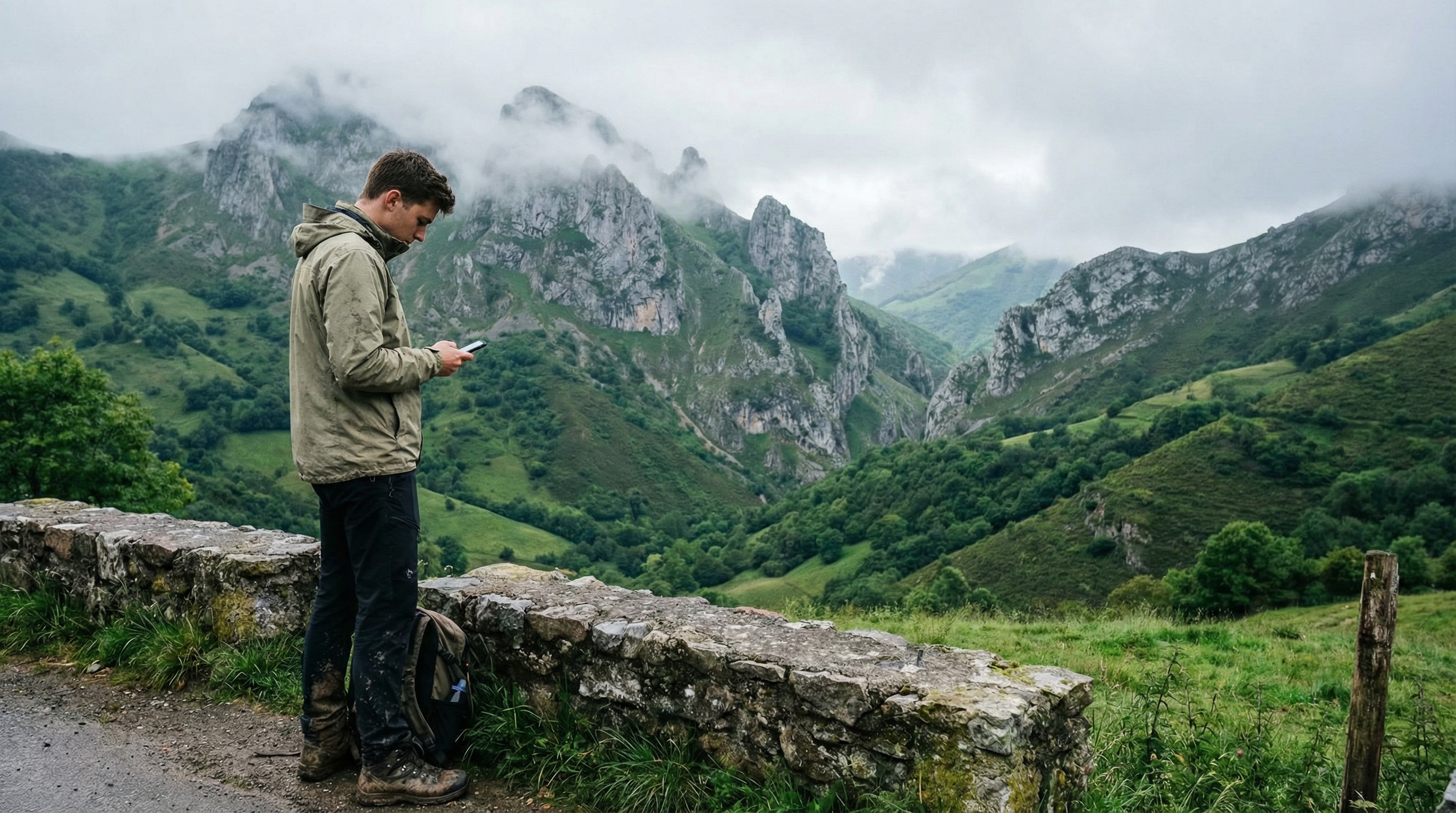
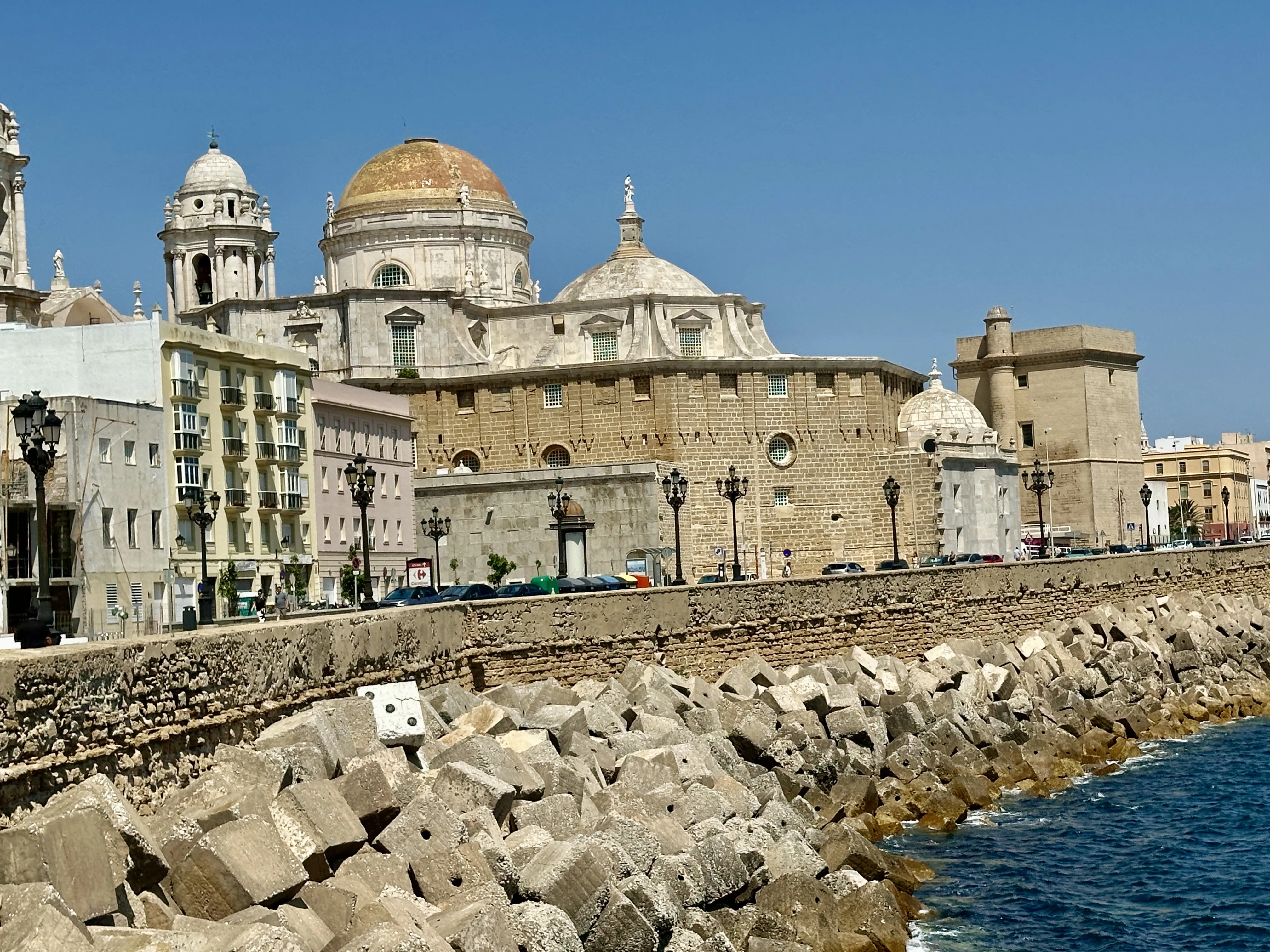
Digital nomads in Spain have always been a part of the remote work scene, despite the legal complications. As part of the EU, citizens of many nations are free to live and work throughout Spain for months at a time, whether or not they choose to become resident. And the beautiful natural resources and climate are a big draw from further afield. Just as Spain has always attracted tourists, those who want to stay longer and work a while like the idea as well. Whether you prefer beaches, mountains, rural retreats, or bustling cities, digital nomads in Spain will find their spot.
The digital nomad visa
Spain’s digital nomad visa (DNV), introduced in 2023 as part of the Startups Law, has now become an established route for non-EU remote workers to live and work legally in Spain. After some initial uncertainty about how the process would work in practice, thousands of applicants have now been through it, and the system – while not without its frustrations – is functioning.
The visa allows remote workers earning above a specified income threshold to reside in Spain while working for foreign clients or employers. Income requirements have been updated for 2026, and the application process has become somewhat clearer with experience. For the latest on eligibility, costs, and what to expect, see our detailed breakdown: Spain Digital Nomad Visa 2026.
It’s worth noting that the DNV isn’t the only option. If you’re considering Spain but don’t meet the DNV criteria, the non-lucrative visa is sometimes mentioned – though it comes with significant restrictions on working. We’ve explored that distinction in Spain’s Non-Lucrative Visa and Remote Working.
Finding your niche as a digital nomad
Spain offers a remarkable variety of locations for remote workers. The major cities – Madrid, Barcelona, Valencia, Málaga – all have thriving coworking scenes and established expat communities. But smaller cities and coastal towns are increasingly popular too, offering lower costs and a more relaxed pace.
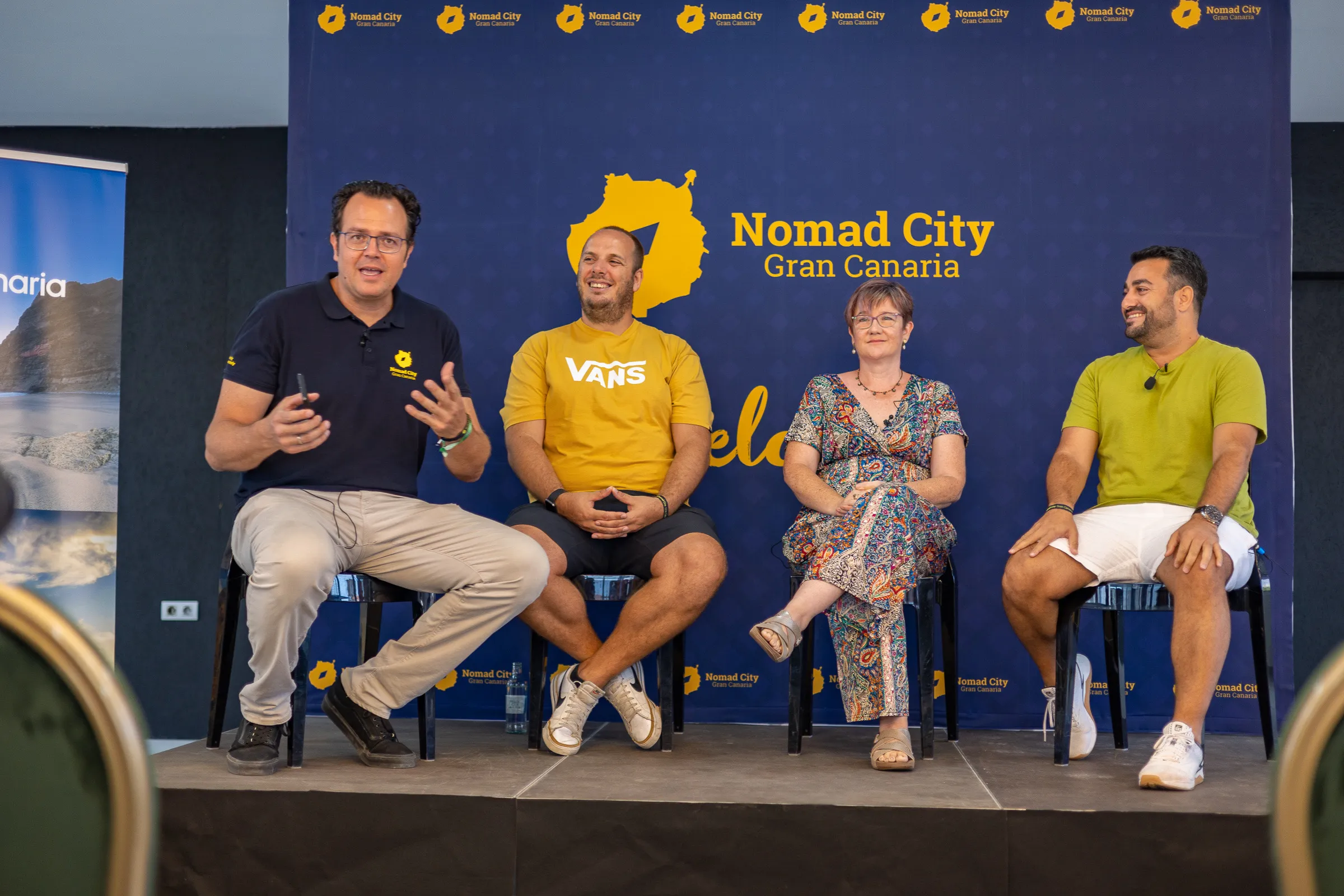
The key is choosing a base that suits your work style and budget. Coworking spaces are widely available, and many digital nomads find that the Spanish lifestyle – with its emphasis on socialising, good food, and outdoor living – is a genuine boost to their productivity and wellbeing.
For remote workers building freelance careers, many skills translate well to location-independent work. Whether you’re in tech, marketing, design, writing, or consulting, Spain’s time zone works well for European clients and is manageable for US East Coast collaboration too.
Practical considerations
If you’re planning to stay in Spain beyond a short visit, there are practical matters to sort out. You’ll need a NIE (identification number for foreigners), and depending on your situation, you may need to register as autónomo (self-employed) or work through an employer of record. Understanding self-employment in Spain is essential background for most digital nomads here.
Healthcare, banking, and housing all have their own learning curves – but the digital nomad community in Spain is generous with advice and support. Our Spain country guide brings together the key resources, community links, and latest insights for remote workers here.
For digital nomads in Spain, the landscape has never been more welcoming – or more clearly defined. The legal frameworks exist, the infrastructure is solid, and the lifestyle speaks for itself.
Related reading: Spain’s Digital Nomad Visa Update, Coworking in Spain, Remote Employment in Spain, EOR in Europe, Spain Remote Work Guide.